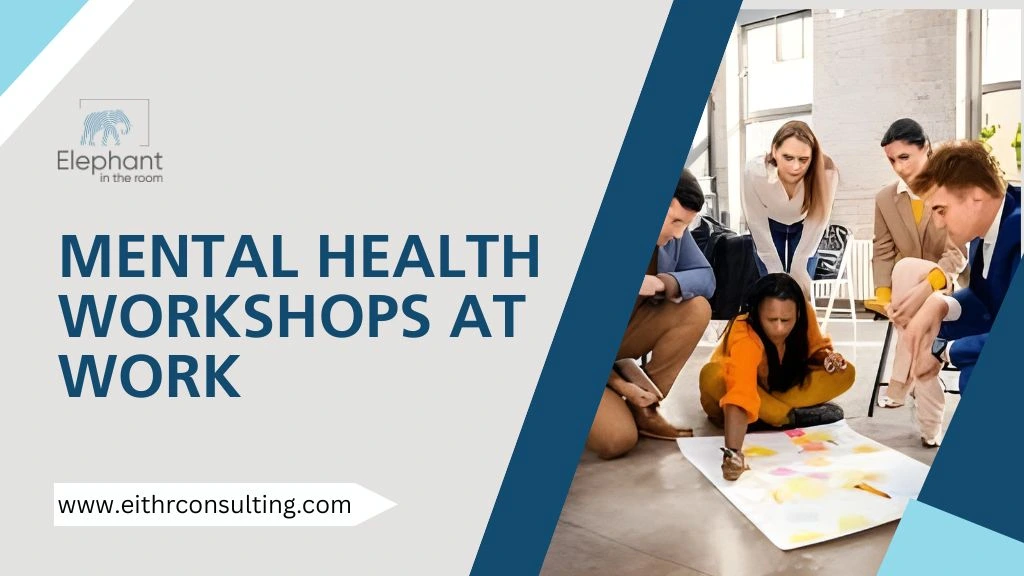
Workshops offer employees a space to understand their emotional responses before stress begins to surface in their behaviour. Many challenges appear quietly in day-to-day interactions: missed cues, rushed conversations, hesitation to ask for help or silent fatigue. Workshops give employees practical ways to manage these moments through mental health best practices in the workplace.
In Mumbai workplaces, where commutes are long and timelines shift quickly, workshops help teams slow down mentally. They learn how to recognise early signs of strain, communicate with clarity and maintain steadier routines. When employees feel supported, they show more openness, patience and collaboration.
Effective Workplace Mental Health Training becomes a turning point for team culture. It improves how people speak to one another and reduces the emotional friction that often builds during heavy workloads, especially when paired with mental health best practices in the workplace.
KEY TAKEAWAYS
- How corporate mental health workshops reduce silent stress and improve emotional awareness
- Why workshops strengthen communication, patience and teamwork
- The benefits of practical, easy-to-apply mental health practices at work
- How workshops build resilience and support healthier boundaries
- What long-term cultural shifts emerge when wellbeing training becomes consistent
How Workshops Improve the Way Teams Think, Work and Communicate?
1. Building emotional awareness
Workshops help employees identify stress triggers and understand how pressure affects their thinking and communication. This awareness helps teams step in earlier and respond more thoughtfully using mental health best practices in the workplace.
2. Improving communication habits
Participants learn how to express concerns clearly and listen with more patience. These skills reduce misunderstandings and prevent small issues from escalating.
3. Encouraging healthier boundaries
Workshops teach employees how to manage their workload more sustainably. They learn how to pace tasks, take short breaks and protect their energy during heavier weeks—an important part of mental health best practices in the workplace.
4. Strengthening resilience
Employees learn how to recover from setbacks without losing momentum. Resilience becomes a shared skill rather than an individual challenge.
5. Reducing silent stress
Workshops normalise conversations about wellbeing. This reduces the pressure to appear unaffected and supports a more open workplace culture.
👉 Our Take: Well-designed Corporate WellBeing Programs help employees understand stress, communicate with clarity and build healthier ways of working. These habits create a workplace where people feel supported, confident and engaged. When mental health workshops become a regular part of organisational life, teams grow stronger and more connected.
What Strong Corporate WellBeing Programs Have in Common?
1. Practical, easy-to-apply learning
Effective Corporate WellBeing Programs focus on simple habits that fit naturally into everyday work. When employees can apply what they learn immediately, the change feels steady and realistic rather than theoretical. These small practices reinforce the impact of Workplace Mental Health Training and support mental health best practices in the workplace.
2. Inclusive sessions that reflect real challenges
Strong programs address concerns that employees actually face in their workday, such as communication gaps, uneven workloads and hybrid work pressures. When sessions speak to real experiences, employees participate with greater honesty and openness.
3. Support for both employees and managers
Healthy workplaces grow when both groups are supported. Corporate WellBeing Programs help employees manage stress while offering managers the tools to lead with clarity and sensitivity. This shared approach creates a consistent emotional climate across teams.
4. Steady reinforcement rather than a one-time activity
One workshop alone cannot shift long-term habits. Organisations that repeat learning and offer follow-up sessions see more lasting improvements. Continuous reinforcement keeps the principles of Workplace Mental Health Training active in daily routines instead of fading over time.
5. A focus on building trust
Trust strengthens when people feel safe speaking about their pressures and experiences. Programs that encourage open dialogue reduce silent stress and help teams support one another more comfortably. As trust deepens, both employees and managers work with more clarity, calmness and steadiness.
» To explore how organisations strengthen emotional wellbeing, read our guide on Corporate Mental Health.
Why Workshops Create Long-Term Cultural Change?
Corporate mental health workshops move organisations away from a culture of silence and towards one where wellbeing is recognised as part of productivity. These workshops reshape how people engage with work, how they express challenges and how teams support one another. They bring emotional steadiness into daily routines, making workplaces more predictable and supportive by reinforcing mental health best practices in the workplace.
Workshops also guide organisations in understanding how communication patterns, expectations and leadership styles influence mental health. This reflection helps companies build a workplace that feels fair, calm and human.
Resilience and Collaboration Sessions for Employees
These sessions help employees build emotional steadiness, strengthen communication and collaborate with greater clarity. They include themes such as stress management, emotional intelligence, positive psychology, conflict resolution, managing young teams and workplace relationships, along with modules on burnout recovery, digital detox and team off-sites.
Reach us at +91-9004830116 to book a free consultation. (9am to 6pm IST, Mon–Fri)
How EITHR Helps Companies Strengthen Workplace WellBeing?
At Elephant in the Room Consulting, we work with organisations to recognise how mental health influences daily conversations, expectations and relationships across teams. Our approach helps leaders notice early signs of strain and build environments where employees feel supported and understood. We offer practical tools that become part of everyday routines, ensuring that mental health best practices in the workplace become a natural part of how work is done.
Frequently Asked Questions
What are the best ways to support mental health in the workplace?
Strengthen communication, create safe spaces for conversation, build predictable routines and offer regular workshops that help employees manage stress.
How can you promote mental health and wellbeing in the workplace?
Encourage open dialogue, set realistic expectations, support healthy boundaries and offer Workplace Mental Health Training that teaches practical skills.
What is the importance of mental health?
Mental health influences clarity, focus, communication and resilience. A healthy mind supports better decisions, steadier relationships and overall well-being.
How can companies build a more open and proactive culture around mental health in the workplace?
By normalising conversations, training managers to respond sensitively and running consistent Corporate Well-Being Programs that reinforce healthier habits and mental health best practices in the workplace.