Workplaces today demand more clarity, steadiness and emotional awareness than ever before. Teams move between hybrid schedules, shifting priorities and rapid communication cycles. But how often do employees pause long enough to notice how this pace affects them? And how long can people keep functioning without the emotional support they quietly need?
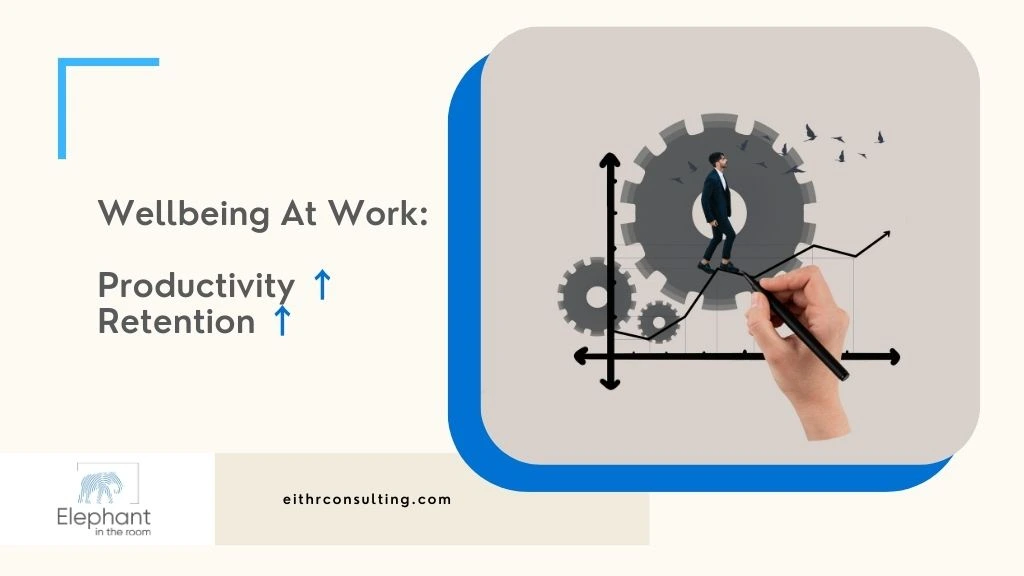
These questions explain why Corporate Wellbeing Programs have become essential to how organisations operate. These programs help employees recognise their stress patterns, understand how pressure influences their behaviour and build steadier habits for demanding days. When employees feel supported, they work with a clearer focus and stay committed for longer. This directly strengthens Employee Productivity and Retention, especially in fast-paced cities like Mumbai, where long commutes, unpredictable timelines and continuous communication create additional strain.
Organisations are beginning to see that wellbeing is not an optional benefit. It is a practical foundation that shapes how employees think, communicate and show up every day. When wellbeing becomes part of daily functioning, workplaces become calmer, clearer and more resilient.
KEY TAKEAWAYS
- Why Wellbeing Matters: Corporate Wellbeing Programs help employees manage stress, communicate clearly, and build emotional steadiness, directly improving productivity, engagement, and long-term retention.
- Early warning signs: Slower work, rising irritation, unclear communication, and emotional fatigue suggest teams are functioning but not thriving.
- How well-being boosts performance: Supported employees focus better, collaborate with more patience, solve problems consistently, and handle change with greater stability.
- Why employees stay: People remain in workplaces where they feel respected, supported, valued, and able to speak openly about wellbeing programs create these conditions.
- Organisational impact: Strong well-being initiatives lead to better decision-making, lower turnover, healthier team dynamics, and more sustainable business growth.
Why Workplaces Can’t Rely on Motivation Alone Anymore?
Motivation fades quickly when employees feel overwhelmed. But how often do employees speak openly about stress? And how often do they continue working silently because they fear judgment or do not want to appear incapable?
These questions explain why Corporate Wellbeing Programs support both mental steadiness and long-term performance. Employees often struggle quietly when:
- Expectations feel unclear
- Workloads grow without discussion
- Small conflicts remain unaddressed
- Communication becomes rushed or tense
- Emotional fatigue makes simple tasks seem heavier
These patterns directly affect employee productivity and weaken long-term engagement. Wellbeing programs help teams understand these hidden pressures and respond before they grow.
Top Signals That Teams Are Functioning, But Not Thriving
Many workplaces look productive on the surface, but the reality beneath can feel very different.
Ask yourself:
- Do employees take longer to complete tasks that once felt easy?
- Are teams avoiding conversations about workload?
- Is there rising irritation during peak work phases?
- Do people appear present, yet mentally checked out?
- Are small mistakes increasing?
These are early signs that wellbeing support is missing. Corporate Wellbeing Programs help identify and address these patterns before they influence performance.
How Emotional Wellbeing Shapes Daily Performance?
Emotional steadiness affects how people think, collaborate and solve problems.
When employees feel supported through Corporate Wellbeing Programs, they experience:
1. Better focus during demanding days
Emotional clarity helps employees stay attentive even during heavy workloads.
2. Stronger communication habits
Teams speak openly, reducing misunderstandings that slow progress.
3. More consistent problem-solving
Clear minds produce better decisions.
4. Higher stability during change
Wellbeing support reduces the emotional friction that normally accompanies transitions.
5. More balanced energy levels
Employees manage their day with intention instead of reacting to pressure.
These improvements directly influence Employee Productivity and Retention, helping organisations maintain strong performance even during challenging phases.
Mental Health Awareness (Introductory) Program
Our introductory program helps employees identify early emotional strain, manage stress more thoughtfully and build stronger communication habits. The sessions include emotional intelligence training, burnout prevention, conflict resolution, healthier self-care routines and relationship (interpersonal) strengthening. These skills reinforce the goals of Corporate Wellbeing Programs and support long-term employee wellbeing.
Reach us at +91-9004830116 for a consultation. (9 am to 6 pm IST, Mon–Fri)
Why Corporate Wellbeing Programs Strengthen Employee Loyalty?
Organisations often ask:
Why do employees leave? And what makes them stay?
The reasons go beyond salary.
Employees remain in workplaces where they feel:
- respected
- understood
- supported through difficult phases
- valued for their effort, not just output
- guided, not rushed
Strong Corporate Wellbeing Programs give employees these experiences. When people feel safe raising concerns, they stay longer. This strengthens employee retention and reduces the emotional and financial cost of turnover.
The Link Between Wellbeing and Long-Term Retention
Retention is built through everyday behaviours, not one-time gestures.
When well-being becomes part of daily workplace functioning, employees feel:
1. Emotionally supported
They know their concerns will be heard.
2. Confidently approaching managers
Clear communication reduces hesitation.
3. Comfortable setting healthy boundaries
This protects long-term engagement.
4. Motivated to contribute
Feeling valued encourages ownership.
5. Connected to the organisation
Trust grows when well-being becomes a shared priority.
These outcomes strengthen Employee Productivity and Retention by helping employees feel part of a stable, respectful workplace.
What Strong Corporate Wellbeing Programs Actually Look Like?
Corporate well-being is most effective when it becomes part of everyday routines rather than occasional activities.
Strong programs include:
1. Emotional awareness training
Employees learn to recognise stress early.
2. Practical self-care strategies
Teams understand how to manage pressure on busy days.
3. Communication skill-building
Employees speak and listen with more patience.
4. Conflict resolution habits
Teams separate the issue from the emotion.
5. Recovery routines
Employees understand how to reset after demanding periods.
These elements help Corporate Wellbeing Programs support real behavioural change rather than temporary relief.
How Wellbeing Programs Improve Team Collaboration?
Collaboration improves naturally when teams feel emotionally steady.
Ask yourself:
- How do employees respond when someone disagrees with them?
- How does pressure affect tone and patience?
- Are people able to discuss discomfort without fear?
Wellbeing programs help employees build deeper emotional intelligence, which creates calmer interactions, clearer communication and stronger teamwork. These changes support both employee productivity and efficient collaboration.
Why Managers Play a Central Role in Wellbeing Success?
Managers shape the emotional climate of a workplace more than any policy.
Their actions determine whether teams feel safe, supported or overwhelmed.
Key impacts include:
Tone
Calm communication reduces emotional strain.
Expectations
Clear direction prevents confusion.
Boundaries
Respect for work hours strengthens engagement.
Availability
Responsive managers build trust.
Recognition
Acknowledgement improves morale and commitment.
When leaders understand these dynamics, Corporate Wellbeing Programs become far more effective.
👉 Our Take:
At EITHR, we believe wellbeing should feel natural, not forced. Corporate Wellbeing Programs help employees understand their emotional responses, communicate with honesty and build healthier work patterns. When teams develop these habits, they work with more clarity, recover from stress faster and stay committed to the organisation. Wellbeing becomes part of how work is done, shaping calmer, more connected workplaces.
Long-Term Benefits Organisations See After Investing in Wellbeing
Strong wellbeing strategies bring measurable improvements, such as:
1. Better decision-making
Employees think clearly and avoid reactive choices.
2. Higher job satisfaction
People feel valued and emotionally supported.
3. Lower turnover
Employees stay longer when they feel safe and respected.
4. Stronger performance patterns
Teams work with clarity and consistency.
5. More sustainable organisational growth
Healthy people build healthy workplaces.
These improvements strengthen Employee Productivity and Retention, making wellbeing an essential part of business strategy.
Conclusion
Workplaces thrive when employees feel supported, understood and valued. Corporate Wellbeing Programs help teams work with more steadiness, build stronger relationships and stay committed to their roles. When well-being becomes an everyday priority rather than a yearly concern, organisations see better focus, reduced friction and stronger retention. At EITHR, we support companies in building these foundations through practical, people-centred approaches that create long-lasting emotional well-being and workplace growth.
Frequently Asked Questions
How to improve employee productivity?
Create predictable routines, offer wellbeing support, strengthen communication and help employees manage stress through simple, daily practices.
What is the difference between employee retention and turnover?
Retention refers to employees staying. Turnover refers to employees leaving. Strong well-being programs help improve retention by reducing emotional strain.
What is a good employee retention rate?
Most organisations aim for rates above 85 per cent, depending on industry norms and workforce structure.
How can I measure employee retention?
Track how many employees stay over a specific period and compare it with the total workforce. Monitor reasons for leaving to understand emotional or structural patterns.
What are the three most important factors for employee retention?
Supportive leadership, emotional well-being and predictable communication.