
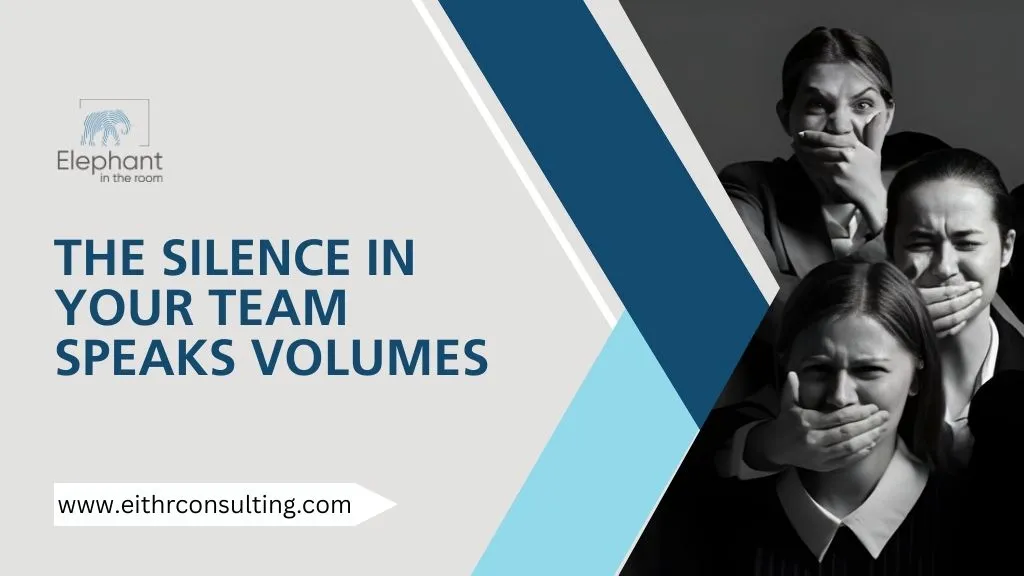
According to Gallup, only 3 in 10 employees strongly agree that their opinions count at work. That means most employees are holding back more than leaders realise. In many workplaces, stress, frustration, confusion, and emotional fatigue often stay unspoken until they begin affecting performance or retention. Leaders may believe everything is stable simply because nothing appears wrong. However, this is where blind spots in leadership behaviour often begin and quietly shape workplace culture.
Key Takeaways
- Workplace culture represents an organisation’s values, beliefs and long-term identity.
- Workplace climate reflects how employees experience those values in everyday work.
- Culture and climate influence each other, but they can change at different speeds.
- Leadership plays an important role in turning organisational values into everyday behaviour.
- AI is now influencing both organisational culture and workplace climate.
- A healthy workplace requires alignment between what leaders say and what employees experience.
What Teams Often Don’t Say Out Loud?
Most employees do not openly communicate every challenge they are facing. Many workplace struggles remain internal because employees are unsure whether speaking up will help or whether it may affect how they are perceived.
For example, an employee may be managing unrealistic deadlines, unclear expectations, or emotional exhaustion, but continue saying, “I’m managing.” On the surface, things may look under control. Underneath, stress may already be building.
This is often how blind spots in leadership behaviour begin. Leaders hear reassurance, but they miss the deeper reality.
In many organisations, employees do not openly say things like:
“I’m overwhelmed.”
“I don’t feel heard.”
“I’m starting to burn out.”
Instead, they carry these concerns quietly.
That silence often says more than words.
Also Read: How Emotional Resilience Workshops Can Reduce Stress and Boost Productivity?
Why Leaders Miss What Teams Are Feeling?
Leaders are often trained to focus on outcomes. Performance, deadlines, productivity, and business goals naturally take priority.
However, this can create distance from what employees are emotionally experiencing.
When work gets done, many leaders assume the team is functioning well. But output does not always reflect well-being.
For example, a sales team may hit targets for three months straight while carrying rising stress, internal tension, and exhaustion. Leadership sees results. Employees feel pressure.
This gap is where blind spots in leadership behaviour become dangerous.
Often, leaders are not intentionally ignoring employees. They are simply focused elsewhere.
This is one of the most common reasons why workplace issues remain hidden until they become larger problems.
What Silence at Work Is Really Saying
Silence at work rarely means there is nothing wrong.
Often, silence reflects hesitation, uncertainty, or emotional withdrawal. Employees may stop raising concerns because they believe nothing will change.
This is one of the clearest communication blind spots in leadership.
For example, after a difficult product launch, a manager may ask, “Any concerns before we move on?” The team stays quiet. It looks like alignment. But later, employees may privately express exhaustion or frustration.
That silence is usually saying:
“I don’t feel safe enough to bring this up.”
Or:
“It probably won’t matter anyway.”
When silence becomes repeated behaviour, it often turns into disengagement.
When Behaviour Speaks Before Words
Long before employees openly talk about stress, behaviour often starts changing.
This may show up through lower enthusiasm, shorter replies, missed deadlines, reduced participation, or emotional distance.
For example, an employee who once led discussions may now stay quiet in meetings. A leader may assume they are simply tired. But in reality, that change may signal deeper frustration or emotional fatigue.
This is where leadership blind spots employees notice faster than leaders do.
Employees often recognise these changes in each other before leadership does.
That delay matters.
Because by the time concerns become verbal, the issue may already be serious.
How Blindspots in Leadership Behaviour Affect Teams?
The impact of blind spots in leadership behaviour often spreads quietly across teams.
When employees feel unseen, they usually stop contributing openly. Trust weakens. Collaboration becomes more surface-level. Innovation slows down because fewer people feel comfortable speaking honestly.
For example, in many startups, employees may continue agreeing with fast decisions even when they have concerns. Over time, this creates frustration and emotional distance.
It also increases retention risks.
Employees rarely leave because of one bad week. They leave after repeated moments of feeling unheard.
This is how leadership blind spots slowly affect team culture, performance, and long-term stability.
Why Leadership’s Greatest Blind Spot Is Often Emotional?
Most workplace problems are emotional before they become operational.
Stress builds before performance drops. Frustration rises before conflict appears. Emotional withdrawal begins before resignation letters arrive.
This is why leadership’s greatest blind spot is often emotional.
Leaders are usually quick to respond when numbers fall. But they often miss what employees are feeling before those numbers change.
For example, an employee may still perform well while mentally disconnecting from the team. From the leadership’s view, everything seems normal.
But internally, the employee may already be thinking:
“I don’t know how long I can keep doing this.”
This is why emotional awareness matters.
Without it, blind spots in leadership behaviour grow stronger.
How Leaders Can Hear What Employees Are Not Saying
Hearing what remains unspoken requires better awareness, not just better meetings.
Leaders need to build systems and habits that make honesty easier.
Ask Better, Hear Better
Broad questions often lead to broad answers.
Instead of asking, “Everything okay?” leaders can ask:
“What has been most challenging this week?”
or
“What is creating pressure right now?”
These questions feel more specific and often create better conversations.
For example, an employee may respond honestly for the first time simply because the question feels safer.
Better questions reduce blind spots in leadership behaviour because they reveal what employees may not volunteer naturally.
Notice What Has Changed
Leadership is also observation.
A shift in behaviour often says more than a performance report.
For example, if an employee who usually responds quickly begins delaying replies, avoiding meetings, or becoming unusually quiet, something may have changed.
It may not always be serious. But it is worth noticing.
This is where many cognitive blind spots in leadership appear. Leaders may explain away patterns instead of exploring them.
Patterns matter.
Make Honesty Easier
Employees speak honestly when they feel safe enough to do so.
That safety is built through reactions.
For example, when an employee says, “I’m finding this difficult,” and the leader responds with, “Tell me more,” trust grows.
But when the response is dismissive, honesty shrinks.
This is one of the fastest ways to reduce blind spots in leadership behaviour because it creates earlier conversations instead of later problems.
Track the Signals
Awareness should not depend only on instinct.
Absenteeism, engagement scores, turnover trends, and workload patterns often reveal what conversations miss.
For example, if one team consistently reports higher pressure or lower morale than others, there is usually a reason.
Leaders who review these patterns regularly often identify concerns much earlier.
Data often supports what people hesitate to say.
What Better Leadership Awareness Looks Like
Better leadership awareness is not about having every answer. It is about paying closer attention.
It means noticing silence, observing behaviour, asking better questions, and creating safer conversations.
Leaders who do this well often build stronger trust, healthier teams, and more sustainable performance.
They understand that leadership is not only about what gets said in meetings. It is also about what remains unsaid afterwards.
Reducing blind spots in leadership behaviour helps leaders understand their teams more fully.
And that understanding often changes everything.
Tip – Strong leadership is not only about vision. It is also about perception. Regular check-ins, better questions, and emotionally safe conversations can help leaders understand what teams may not say directly. The Workplace Insights & Solutions Team at EITHR helps organisations strengthen leadership communication, psychological safety, and workplace trust.
The strongest workplace cultures are not built by leaders who simply direct. They are built by leaders who notice. When leaders learn to hear what employees are not saying, they reduce conflict, improve trust, and strengthen long-term team performance. Addressing blind spots in leadership behaviour is not just about improving communication. It is about building healthier and more resilient organisations.
Frequently Asked Questions
1. What are blind spots in leadership behaviour?
Blind spots in leadership behaviour are hidden assumptions, missed signals, or habits that prevent leaders from fully understanding team concerns.
2. Why do employees stay silent at work?
Employees often stay silent because they fear judgement, feel unheard, or believe speaking up may not lead to change.
3. What are communication blind spots in leadership?
These are moments where leaders misread silence, miss emotional signals, or fail to notice communication gaps.
4. Why is emotional awareness important for leaders?
Because many workplace issues begin emotionally before they affect performance, retention, or team culture.
5. How can leaders improve awareness?
By asking better questions, observing behavioural shifts, creating safer conversations, and tracking team patterns.