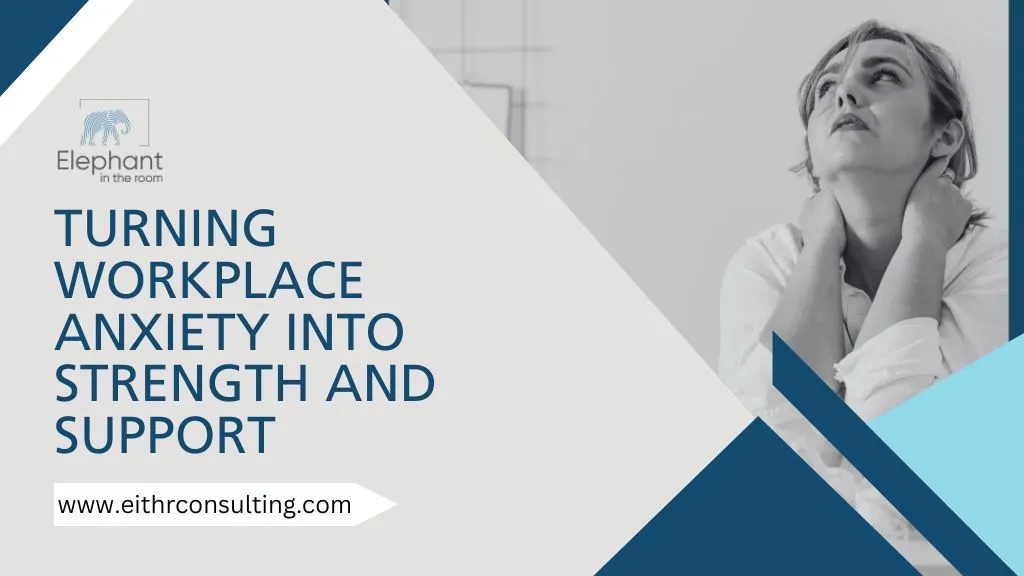
More than 40% of workers report feeling tense or stressed during their workday, and upwards of three in five report higher stress when psychological safety is low, illustrating how common workplace anxiety has become. Globally, an estimated 15% of working-age adults live with a mental health condition such as anxiety or depression. Together, these conditions lead to around US$ 1 trillion in lost productivity each year.
This makes workplace anxiety not just an individual concern but a structural challenge for organisations. In this post, we unpack what workplace anxiety looks like, what drives it, and 9 clear ways organisations can help employees manage anxiety at work.
KEY TAKEAWAYS
- What does workplace anxiety usually look like? Ongoing worry, mental fatigue, irritability, and reduced focus during routine work.
- Why are early signs of workplace anxiety often missed? Because anxiety often hides behind productivity, silence, or over-responsibility.
- How does anxiety affect teams over time? It weakens psychological safety, collaboration, and decision-making.
- What workplace conditions make anxiety worse? Unclear expectations, constant urgency, and fear of mistakes.
- How can organisations help without medicalising stress? By improving clarity, communication, and emotional skills.
- What helps employees manage anxiety at work long-term? Consistent support, predictable systems, and practical learning.
Understanding Workplace Anxiety
Workplace anxiety develops when pressure builds faster than the mind can recover. When staff operate in a heightened state of alert for prolonged periods, even familiar tasks begin to feel draining. This accumulation is different from ordinary stress it becomes a pattern, weakening confidence and emotional reserve over time.
Causes of Workplace Anxiety
Workplace anxiety develops when pressure builds faster than recovery. It is usually driven by a combination of everyday work conditions rather than one single event. Common causes include:
- Unclear expectations and shifting priorities force employees to constantly guess what matters most.
- Constant urgency and time pressure keep the nervous system in alert mode.
- Fear of making mistakes or being judged, especially in low-trust environments.
- Lack of psychological safety, where questions or concerns feel risky to raise.
- Blurred boundaries between work and rest, preventing real recovery.
- Inconsistent communication from leaders, which increases uncertainty and overthinking.
Over time, these conditions turn normal stress into ongoing anxiety, even when workloads appear manageable.
The Impact of Workplace Anxiety on Teams
Anxiety doesn’t stay confined to individuals. It shapes how people communicate and collaborate. Writers, researchers, and occupational health bodies have documented these effects: when anxiety increases, team trust declines, and performance patterns deteriorate gradually rather than suddenly.
Employees may withdraw in meetings, overthink decisions, or become less willing to take creative risks. This leads to cautious behaviours that slow progress and weaken psychological safety, making it harder for teams to recover without intentional support.
How to Manage Anxiety at Work Without Adding More Pressure?
Managing anxiety at work is not about asking employees to cope harder or be more resilient on their own. It starts with reducing unnecessary strain, increasing clarity, and creating environments where people feel supported rather than watched. When organisations focus on practical changes in how work is structured, communicated, and paced, anxiety reduces as a natural outcome rather than a forced intervention.
This approach shifts the focus from fixing individuals to improving everyday work conditions. As a result, employees are better able to manage anxiety at work without feeling like well-being is another task added to their load.
9 Ways to Help Employees Deal With Work Anxiety
Helping employees manage anxiety at work requires changes in how work is structured and supported, not just individual coping strategies.
1. Normalise Anxiety Without Labelling It
Anxiety decreases when people understand that feeling stressed under pressure is a common human response, not a personal flaw. Acknowledging this openly at work reduces shame and encourages early discussions. This shift makes it easier for employees to ask for help or clarify expectations early, rather than letting tension build.
2. Train Managers to Recognise Early Signs
Managers often see behavioural shifts before employees label their anxiety themselves. Changes like withdrawal, irritability, or over-preparation are common workplace anxiety symptoms. When managers respond with calm curiosity and support, it builds trust. Early adjustment prevents small tensions from becoming larger performance issues.
3. Clarify Roles and Priorities
Unclear roles force employees to guess what matters most, increasing mental load and anxiety. When leaders clarify priorities, accountabilities, and decision rights, employees can focus with confidence. Clarity reduces guesswork and frees cognitive resources for meaningful work.
4. Avoid Constant Pressure
When everything feels urgent, teams remain in a survival mindset. This disrupts thoughtful decision-making and increases emotional strain. Leaders who distinguish real urgency from perceived pressure give employees emotional space to think clearly. As a result, stress decreases, and output improves.
5. Create Predictable Work Rhythms
Predictable routines and regular check-ins provide emotional stability. When employees know what to expect and when, anxiety drops. Clear workflows and planned updates help people pace their work instead of staying on edge all the time.
6. Strengthen Psychological Safety
Anxiety grows where people fear judgment or consequences for speaking up. Psychological safety means employees can ask questions, admit uncertainty, or voice concerns without fear. This openness reduces internal pressure and builds trust. Teams with strong safety cope better with pressure.
7. Teach Practical Emotional Regulation Skills
Awareness alone does not help people in moments of stress. Employees need tools to calm their nervous systems, communicate during anxiety, and recover after pressure. Practical skill-based learning helps to manage anxiety at work. These tools help employees cope with pressure without stepping away from work.
8. Model Healthy Boundaries at Leadership Levels
Employees watch leadership behaviour more than policy documents. When leaders respect rest, set boundaries, and communicate thoughtfully, it signals permission for the rest of the organisation to do the same. This reduces guilt around breaks and recovery. Healthy leadership norms create healthier teams.
9. Reinforce Support Consistently Over Time
One-off wellness sessions rarely change anxiety patterns. Support must be visible, regular, and integrated into work routines. Over time, this consistency builds trust and emotional resilience. Predictable learning and reinforcement show that well-being is a long-term priority, not a fleeting initiative.
Not sure which of these areas your organisation should prioritise? A conversation with an Elephant-in-the-Room expert can help identify the right starting point and design a scientifically grounded learning experience.
👉Our Take: Workplace anxiety is often misunderstood because it looks like an individual issue when it is actually shaped by systems, expectations, and daily interactions. When work environments reward constant urgency, silence, or overextension, anxiety becomes a predictable outcome.
Also Read: Anxiety and Stress in the Workplace is Destroying Productivity – Here’s How to Fix It
Conclusion
Workplace anxiety grows when pressure builds faster than support can keep up. When organisations notice early signs and respond with clarity and care, everyday strain is less likely to turn into disengagement or burnout. This kind of early attention helps employees feel more grounded and less caught in constant reaction mode. Recognising workplace anxiety symptoms early and supporting employees with practical, day-to-day coping strategies helps teams stay calmer and steady over time. When people feel supported in how work is structured and discussed, focus and collaboration improve naturally.
Frequently Asked Questions
What are common workplace anxiety symptoms?
Persistent worry, fatigue, irritability, and difficulty focusing.
How early can workplace anxiety be identified?
Often, through behavioural changes like withdrawal or over-preparation.
Is workplace anxiety the same as burnout?
No, anxiety often appears earlier and can contribute to burnout if unaddressed.
Can managers reduce workplace anxiety?
Yes, through early recognition, clear communication, and supportive responses.
Do wellness sessions alone help?
They help only when paired with practical skills and consistent reinforcement.
How long does support take to show improvement?
With regular support, many teams see positive changes within weeks.