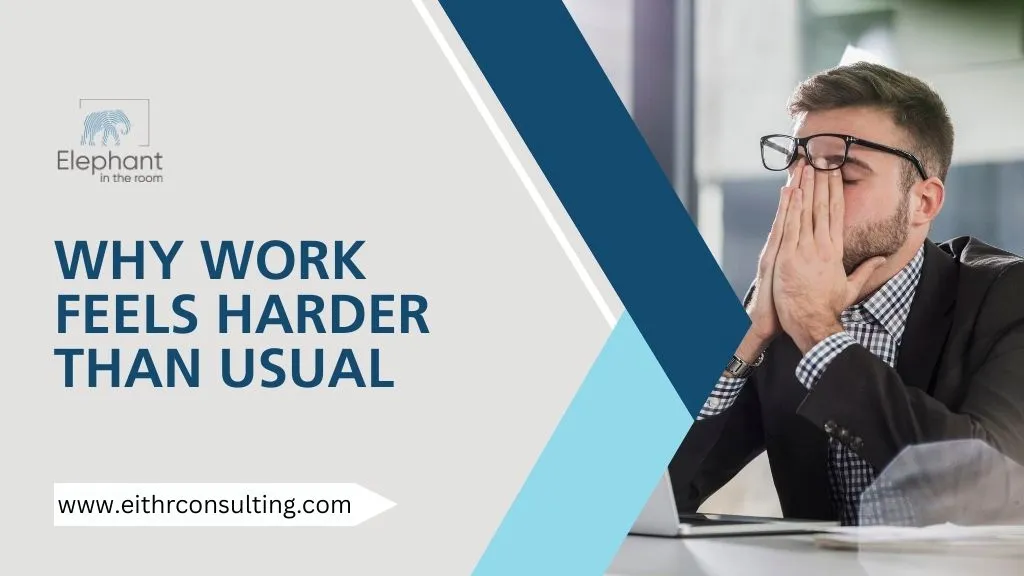
Many people remain in the same roles, with familiar teams and routines, yet work feels heavier. Focus slips faster, and even simple tasks require more effort than before. The strain is rarely just about workload or deadlines. Emotional fatigue and blurred boundaries quietly shape daily experience.
Strained workplace relationships, lingering work stress relationships, and shifting team dynamics at work often make interactions harder than the work itself. Real relief begins when organisations recognise this emotional load and respond thoughtfully.
KEY TAKEAWAYS
- Emotional fatigue quietly reduces energy and focus – Cumulative stress drains attention and stamina even when workloads remain unchanged.
- Workplace relationships directly shape daily stress levels – Tension, miscommunication and low trust amplify emotional load.
- Unresolved work stress relationships spill into personal well-being – Lingering interactions continue to occupy mental space beyond office hours.
- Team dynamics at work determine psychological safety – Supportive teams regulate stress more effectively than fragmented ones.
What Is Really Making Work Feel Harder Than Before?
1. Quiet Build-Up of Emotional Fatigue
Most people did not reach exhaustion through one dramatic moment. Stress accumulated slowly through constant change, prolonged uncertainty and limited recovery. When the nervous system stays activated for too long, patience shortens, focus weakens, and small frustrations feel heavier than they should.
2. Energy Drain from Strained Workplace Relationships
Daily interactions shape emotional load more than workload alone. Misaligned expectations, unresolved conflict, and unclear communication quietly strain workplace relationships. Even neutral conversations can feel tense when trust is low, and people begin conserving emotional energy rather than collaborating openly.
3. Lingering Impact of Work Stress Relationships Beyond Office Hours
Unresolved conversations rarely stay contained within work hours. People replay interactions, anticipate difficult meetings and carry emotional residue home. These ongoing work stress relationships interfere with rest and recovery, making the next day start from depletion rather than renewal.
4. Influence of Team Dynamics at Work on Safety and Motivation
Strong team dynamics at work create emotional buffers during pressure. People feel safer asking questions, sharing concerns and supporting one another. When trust or clarity is missing, uncertainty multiplies and collaboration becomes cautious rather than fluid.
5. Weak Boundaries That Limit Real Recovery
Digital access keeps many employees mentally connected to work beyond formal hours. Without psychological closure, emotional recovery remains incomplete. Over time, this contributes to persistent fatigue and reduced emotional regulation.
6. Lack of Emotional Coping Skill Development
Most professionals are trained for output, not emotional management. Few learn how to regulate stress, navigate difficult conversations or restore balance after pressure. Without these skills, people rely on avoidance or overwork, which deepens long-term strain.
7. Reduced Human Connection and Lower Resilience
Hybrid work and time pressure limit informal connections. Small moments of reassurance, shared humour, and casual check-ins happen less often. When connection fades, resilience drops and recovery becomes harder.
👉 OUR TAKE: Work difficulty today reflects emotional complexity rather than workload alone. Healthy relationships, steady team dynamics and safe conversations restore energy more effectively than pressure-driven fixes.
How Can Organisations Respond More Thoughtfully?
Improving performance today requires strengthening emotional systems, not only operational ones. Organisations that invest in communication quality, psychological safety and learning culture improve stability across teams.
When well-being shows up consistently in leadership behaviour and everyday interactions, trust grows naturally.
Conclusion
When work feels unusually heavy, the cause often lies in emotional strain, not task volume. Strained workplace relationships, unresolved work stress relationships, and fragile team dynamics at work quietly shape daily experience.
Organisations that address these human layers build stronger engagement, steadier performance and healthier cultures. At EITHR, we support organisations in strengthening these foundations through practical learning experiences that improve communication, emotional awareness and relational resilience.
Frequently Asked Questions
How do workplace relationships affect stress levels?
Healthy relationships reduce emotional load and improve collaboration.
What are work stress relationships?
They are unresolved or tense interactions that continue to affect mental well-being.
Why do team dynamics at work influence engagement?
Psychological safety improves trust, communication and motivation.
Can training improve relationship quality at work?
Yes. Skill-based learning improves emotional awareness and communication.
Why does unresolved stress affect sleep and focus?
The nervous system remains activated without emotional closure.
How can organisations strengthen emotional safety?
Through consistent leadership practices and structured learning support.