Most people expect work to feel demanding at times. Deadlines, presentations and difficult conversations are part of the job. But what happens when that pressure quietly turns into something heavier? When nervousness lingers even after the workday ends, or when simple tasks begin to feel unusually draining?
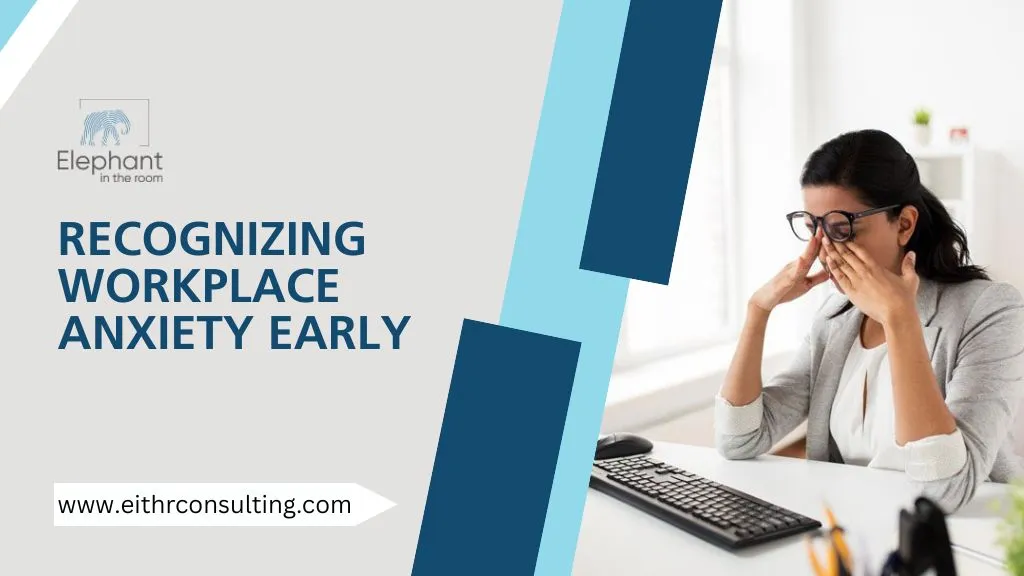
This is where work anxiety often begins to surface. It does not always look dramatic. In fact, it often blends into daily routines so well that both employees and organisations overlook it. Workplace anxiety is far more common than many realise, and learning to spot it early can make a meaningful difference to both wellbeing and performance.
KEY TAKEAWAYS
- Why it’s overlooked: Workplace anxiety often hides behind productivity, constant availability, and “coping” behaviours, making it easy to miss.
- Early signs to watch for: Overthinking, hesitation in communication, difficulty switching off, physical tension, and fear of small mistakes can signal anxiety.
- Team impact: Anxiety affects collaboration, trust, and openness, even when individual performance still appears strong.
- Who is most affected: High performers are often more vulnerable, as their distress goes unnoticed while results remain consistent.
- What helps recovery: Emotional awareness, supportive communication, psychological safety, and practical coping skills not just time off help employees bounce back sustainably.
Why Anxiety at Work Often Goes Unnoticed?
Anxiety rarely announces itself clearly. Many employees continue showing up, meeting deadlines and responding to messages, all while feeling unsettled inside. This makes anxiety at work difficult to identify, especially in environments that reward constant availability and quick responses.
Employees may assume their discomfort is just part of being professional. Managers may interpret silence as coping. Over time, this quiet strain builds, affecting focus, communication and confidence without drawing attention.
Early Signs That Anxiety May Be Taking Hold
Spotting anxiety early requires noticing subtle shifts rather than obvious breakdowns. Some common indicators include:
- Constant overthinking about tasks or conversations
- Hesitation before sending emails or speaking in meetings
- Difficulty switching off after work
- Physical tension, such as restlessness or fatigue
- A growing fear of making small mistakes
These patterns often signal workplace anxiety in employees, even when productivity still appears steady on the surface.
How Workplace Anxiety Affects Teams, Not Just Individuals?
Anxiety does not stay contained within one person. It quietly shapes team dynamics. Communication may become guarded. Collaboration can feel strained. Misunderstandings arise more easily when people are mentally preoccupied.
When work anxiety spreads across a team, it affects trust and openness. Employees may stop asking questions or sharing concerns, fearing judgement or appearing incapable. This is often when performance begins to dip, not because of skill gaps, but because emotional capacity is stretched.
Why High Performers Are Often the Most Affected?
One common misconception is that anxiety only affects employees who are struggling. In reality, highly driven individuals are often more vulnerable to workplace anxiety. They set high standards for themselves, replay conversations repeatedly and worry about falling short.
Because they continue delivering results, their distress often goes unnoticed. This makes early awareness especially important for preventing long-term exhaustion.
Resilience and Collaboration Sessions
At EITHR, our Resilience and Collaboration Sessions support employees in building emotional strength and healthier ways of working together. These sessions focus on stress management, emotional intelligence, positive psychology, conflict resolution and workplace relationships. They also address burnout recovery, digital overload and the challenges of managing young or diverse teams. By strengthening communication and collaboration, these sessions help teams navigate pressure with greater clarity and confidence.
Reach us at +91-9004830116 to book a free consultation. (9am to 6pm IST, Mon–Fri)
The Difference Between Normal Stress and Anxiety at Work
Stress usually rises and falls with workload. Anxiety tends to linger even when tasks are manageable. Employees experiencing anxiety at work may feel on edge without a clear reason, or remain tense long after deadlines pass.
Understanding this difference helps organisations respond appropriately. Stress can often be eased through workload adjustments. Anxiety requires emotional awareness, reassurance and supportive communication.
How to Create Space for Early Conversations?
Early intervention begins with psychological safety. Employees are more likely to speak up when they feel heard rather than evaluated. Simple actions can help:
- Managers checking in without rushing the conversation
- Normalising discussions around emotional strain
- Responding calmly instead of immediately problem-solving
- Avoiding language that dismisses discomfort
These steps help surface workplace anxiety in employees before it deepens into burnout or disengagement.
Bouncing Back Starts With Emotional Skills, Not Just Time Off
Time away from work can help, but it is rarely enough on its own. Employees need skills that help them manage emotional responses, communicate clearly and rebuild confidence. This includes learning how to:
- Recognise anxious thought patterns
- Ground themselves during high-pressure moments
- Express concerns without fear
- Rebuild trust in workplace relationships
When these skills are developed, recovery becomes more sustainable, and teams regain steadiness.
Our Take
Anxiety at work does not mean employees are weak or incapable. It often means they care deeply and need better support systems. When organisations learn to recognise early signs and respond with empathy, employees feel safer asking for help. This openness strengthens both wellbeing and performance over time.
Conclusion
Workplace anxiety is more common than many organisations expect, and it rarely disappears on its own. When left unaddressed, it quietly shapes behaviour, communication and confidence. Spotting it early, creating space for honest conversations and building emotional skills can help employees bounce back before strain turns into something heavier. At EITHR, we work with organisations to create environments where employees feel supported, understood and better equipped to navigate pressure with resilience and clarity.
Frequently Asked Questions
What is workplace anxiety?
Workplace anxiety refers to persistent feelings of nervousness, worry or unease related to work responsibilities, interactions or expectations. It often goes beyond temporary stress and can affect focus, confidence and communication.
How is workplace anxiety different from regular work stress?
Stress usually fluctuates with workload and eases once pressure reduces. Workplace anxiety tends to linger even when tasks are manageable and may show up as constant worry, overthinking or fear of making mistakes.
What are common signs of anxiety at work?
Common signs include difficulty concentrating, avoidance of meetings, hesitation in communication, physical tension, and trouble switching off after work. These signs are often subtle and easy to overlook.
How can managers support employees experiencing workplace anxiety?
Managers can help by creating safe spaces for conversation, checking in regularly, responding calmly, and avoiding dismissive language. Early, empathetic support often prevents anxiety from escalating.
Can workplace anxiety affect team performance?
Yes. When anxiety goes unaddressed, it can impact collaboration, decision-making and trust within teams. Supporting emotional well-being helps teams communicate more clearly and work more effectively together.