
Why Promote Open Conversations About Mental Health in the Workplace?

Have you ever felt overwhelmed by work, but didn’t know where to turn for support? Or maybe you’ve noticed a colleague struggling but weren’t sure how to offer help? Mental health issues are more common in the workplace than we might think, but they often go unspoken. It’s time to change that. Promoting open conversations about mental health is not just important; it’s essential for creating a supportive, thriving work environment. To learn more about how we can support mental health in your workplace, check out our awareness workshops and services. Let’s explore why mental health conversations should be a priority and how you can take the first steps toward building a more inclusive and empathetic workplace. Breaking the Silence: Why Talk About Mental Health? Imagine this scenario: You’re dealing with stress at work, maybe from a demanding project or looming deadlines. But instead of talking about it, you bottle it up because there’s no one to talk to, and you’re afraid of being judged. Sound familiar? Unfortunately, this silence often leads to more stress, burnout, and mental health struggles. Why should we keep quiet about something that affects our well-being so deeply? By breaking the silence and fostering open conversations, we can create a workplace where employees feel supported, understood, and empowered. The Power of Open Dialogue: How It Benefits Your Team Open discussions about mental health can drastically improve your team’s mental well-being and performance. Here’s why: To dive deeper into the importance of supporting your team, check out our blog on mental health training for managers What Happens When Mental Health Goes Unspoken? The cost of silence can be steep. Without open mental health discussions, employees might: It’s not just about making employees feel good; mental health plays a crucial role in the bottom line. When employees struggle silently, it can lead to higher absenteeism, increased turnover, and lower performance. Real-Life Example: The Power of Speaking Up Take Sarah, a manager at a tech firm. She was feeling the weight of her responsibilities and started noticing symptoms of burnout—longer hours, sleepless nights, and irritability. But Sarah didn’t speak up. She feared her team would lose confidence in her leadership. Eventually, she found herself less effective and more disengaged from her work. However, after attending a mental health workshop, Sarah learned how to open up and encourage honest conversations within her team. After discussing stress openly during a meeting, her team was able to share their own struggles. This led to a supportive atmosphere where they could collectively brainstorm solutions to reduce work pressure. Sarah felt heard, her team became more resilient, and her productivity improved. How to Start the Conversation: Tips for Employers and Employees So, how can you start promoting mental health conversations in your workplace? Here are some actionable steps: The Results: What to Expect After Promoting Open Conversations Here’s what happens when you prioritize mental health conversations: Improved Retention: A mentally healthy workplace is one employees want to stay in, reducing turnover and the associated costs. The more we talk about mental health, the less it becomes a taboo and the more we can create workplaces where employees thrive. If you’re a leader, start setting the example—lead with empathy and normalize mental health discussions. Employees should never feel like they’re carrying the weight of stress alone. By fostering a culture of open mental health conversations, you create a stronger, more resilient workforce. And ultimately, that leads to a healthier and more successful workplace for everyone.
Key Benefits of Regular Mental Health Audits in the Workplace

Workplaces today are more demanding and fast-paced than ever before. Employees switch between tasks, timelines and communication platforms with very little pause. In this environment, emotional strain often builds quietly long before anyone notices. Many teams do not speak up until the stress becomes visible, and by that point, performance, clarity and collaboration have already begun to shift. This is why mental health audits in the workplace are becoming an important part of organisational health. Instead of waiting for signs of burnout or miscommunication, companies are choosing to understand how employees feel, how they function under pressure and what patterns influence their wellbeing. These audits act as an early warning system that helps employers step in before problems grow. Regular audits support the Benefits of employee mental health audits, strengthen culture and guide leadership toward more predictable, supportive behaviours. They also help teams understand what is working, what feels heavy and what needs improvement. This creates a workplace where mental health becomes part of everyday operations rather than a separate initiative. KEY TAKEAWAYS Why Mental Health Audits Matter Long Before Stress Becomes Visible? Employees rarely express discomfort the moment they feel it. Instead, they test the environment. They ask themselves quiet questions such as: These internal questions keep employees silent even when stress is rising.This is where mental health audits in the workplace change the conversation. Audits help identify concerns that employees hesitate to voice. They uncover patterns such as: By revealing these trends early, audits support Workplace mental health compliance checks and prevent crises before they disrupt performance. What Mental Health Audits Reveal About the Way Teams Actually Work? Audits go beyond surveys or feedback forms. They provide a clearer picture of workplace reality.They help leadership understand questions such as: These answers help organisations adopt mental health audits in the workplace as a foundation for healthier workflows. They show where teams need support, where leadership needs clarity and how small changes can improve emotional steadiness. 👉 Our Take: At EITHR, we see audits as more than assessments. They are conversations between employees and leadership about what helps them thrive and what makes their workdays harder. Regular mental health audits in the workplace help teams understand their emotional patterns, improve clarity and build a steady culture where people feel seen and supported. When workplaces adopt these practices consistently, both employees and managers gain the clarity they need to perform with confidence. The Quiet Patterns That Audits Help Bring to Light Some behaviours look normal on the surface but point to deeper emotional strain.Regular audits uncover patterns such as: Avoidance of workload discussions Employees do not speak up because they fear disappointing managers. Overcommitment to tasks Teams say yes too often because they want to prove reliability. Withdrawn participation in meetings Employees contribute less when they feel overwhelmed. Long gaps before asking for help People delay support until issues begin affecting performance. Reduced patience during interactions Small frustrations escalate because emotional energy is low. These are moments where audits make a significant difference. They help organisations respond early using Proactive mental health audits in the workplace, which reduces confusion and improves team stability. How Audits Improve Leadership Clarity and Decision Making? Leadership often relies on performance indicators, communication habits and team updates to understand employee wellbeing.But these do not always reveal emotional realities. Audits shed light on: This helps managers respond with steadier communication and clearer direction.It also strengthens Workplace mental health compliance checks, ensuring that teams align with healthier work practices. Why Regular Audits Strengthen Workplace Culture Over Time? Culture grows through daily behaviour. When audits are repeated regularly, they help organisations build routines that are measured, thoughtful and predictable. Teams begin to trust the process because they see consistent improvement in areas such as: Psychological safety When employees know their feedback leads to real change, they feel safer speaking about discomfort. Reduced emotional strain Audits help teams address hidden stress before it intensifies. Transparent communication Employees feel included when leadership shares results honestly and takes steps to improve. Stability across teams Clearer routines reduce friction and strengthen collaboration. These changes reflect the deeper Benefits of employee mental health audits, which help companies function with steadier emotional rhythm. How Audits Support Workplace Success Through Mental Health? Teams perform well when their minds feel steady. This connection between well-being and performance explains why organisations now invest in preventive measures rather than crisis-driven responses. Here is what audits help strengthen: 1. Clear thinking during pressure When stress is identified early, employees stay focused and make better decisions. 2. Balanced workloads Audits reveal where pressure builds, allowing leaders to distribute tasks more fairly. 3. Healthier communication habits Teams learn how to discuss discomfort early rather than wait until problems escalate. 4. Better teamwork When employees understand each other’s emotional patterns, collaboration becomes smoother. 5. Faster recovery after conflict or heavy weeks Teams bounce back quickly because they understand their emotional limits better. All these improvements contribute to workplace success through mental health, helping organisations sustain productivity in a balanced way. What Audits Teach Companies About the Human Side of Work? Audits reveal more than stress. They reveal the emotional needs teams rarely say out loud. Here are some common insights that organisations discover: By uncovering these insights, mental health audits in the workplace help organisations shape practices that support both performance and wellbeing. Five Long-Term Advantages of Regular Mental Health Audits 1. Stronger employee retention Employees stay longer when they feel understood and supported. 2. Lower burnout risk Early intervention prevents emotional exhaustion. 3. Improved leadership awareness Managers gain clearer understanding of how teams actually feel. 4. Stronger morale Teams feel respected when their emotional realities are acknowledged. 5. Consistent alignment with healthy workplace practices Audits help organisations maintain healthier standards through regular Workplace mental health compliance checks. These improvements contribute directly to the long-term Benefits of employee mental health audits. Mental Health Awareness (Introductory) Program Our introductory program helps teams understand early signs of stress, build emotional awareness and strengthen communication. The
The ROI of Mental Health Workshops: A Smart Investment for Businesses
Workplaces today face a simple question. How long can teams continue functioning at high speed without the emotional tools to support themselves? Many leaders recognise rising stress, rushed communication and silent fatigue, yet hesitate to invest in training until problems become too large. This is where the ROI of Mental Health Workshops becomes clearer than ever. Mental health workshops are not just wellness sessions. They improve performance, strengthen communication and reduce the emotional friction that quietly affects productivity. When employees feel steadier and better supported, they think more clearly, collaborate more naturally and make fewer avoidable mistakes. For businesses, these changes translate directly into measurable outcomes, forming the core of Mental Health Initiatives ROI. In cities like Mumbai, where workdays often stretch across time zones and expectations shift quickly, workshops help employees manage pressure with more clarity. When teams work with steadiness rather than strain, businesses see real, long-term benefits. KEY TAKEAWAYS Why Mental Health Workshops Improve Business Performance? Organisations often focus on technical training while overlooking emotional skills. Yet many workplace challenges begin with stress, miscommunication or unclear expectations. Employees lose focus when overwhelmed. Teams hesitate to ask questions because they fear appearing unprepared. Small conflicts go unresolved because emotions are running high. These patterns reduce efficiency and weaken the overall rhythm of the organisation, highlighting the business benefits of mental health training. How Mental Health Workshops Reduce Hidden Workplace Costs? 1. Fewer misunderstandings and rework When employees communicate with clarity, teams spend far less time correcting avoidable errors or revisiting incomplete tasks. Misunderstandings are resolved earlier, which keeps work moving at a steady pace. Over time, this reduces the quiet waste of hours that often goes unnoticed in busy workplaces. 2. Better focus during high-pressure phases Workshops teach employees how to recognise early signs of stress, such as scattered attention or emotional fatigue. When employees know how to ground themselves, they regain clarity quickly and stay productive even during demanding periods. This prevents a series of small lapses from building into larger setbacks. 3. Higher retention and steadier morale Employees who feel supported remain more connected to their teams and less likely to look elsewhere for stability. This emotional steadiness reduces turnover, which in turn lowers recruitment, onboarding and training expenses. Healthy morale creates a smoother work environment where employees stay engaged for longer. 4. Healthier collaboration When teams learn how to navigate tension calmly, conversations become clearer and cooperation becomes easier. Employees understand how to express concerns without conflict, making joint problem-solving more effective. This reduces delays that often arise when strained relationships interrupt work. 5. Reduced long-term burnout Burnout weakens focus, increases absenteeism and affects the consistency of performance. Workshops help employees build healthier routines, such as pacing tasks and recognising when they need to pause. These habits protect them from long-term exhaustion, which often becomes one of the most expensive hidden costs for organisations. 👉 Our Take: When employees feel supported, communication becomes clearer, decisions become steadier and teams respond more calmly during stressful moments. These changes create lasting advantages that contribute directly to business performance. Strong mental health initiatives become an ongoing investment that strengthens culture and efficiency at the same time. Common Mental Health Initiatives 1. Practical tools employees use daily Effective initiatives focus on simple habits that can be applied immediately, such as grounding techniques, structured pauses or clearer communication patterns. When tools become part of daily routines, employees rely on them naturally during stressful moments. This turns learning into steady behavioural change. 2. Training that supports managers and employees Managers set the emotional tone of a team, which means they need guidance just as much as employees do. When leaders learn how to communicate with clarity and respond with sensitivity, teams feel more secure. This shared growth helps workplaces function with more predictability and confidence. 3. Consistent reinforcement rather than single sessions One workshop may spark awareness, but consistent reinforcement builds long-term habits. Regular sessions remind employees of what they have learned and encourage them to use the tools during real challenges. This consistency strengthens workplace culture rather than relying on short-lived enthusiasm. 4. Realistic guidance for high-pressure environments The best programs recognise that stress looks different in every workplace. Sessions that use real examples, familiar communication patterns and common workplace challenges offer more value. Employees connect more easily with guidance that reflects their everyday realities. 5. A culture that values openness, not silence Strong initiatives create environments where employees can speak about pressure before it grows into something unmanageable. Openness builds trust, which encourages early conversations and quicker resolution of problems. Over time, this reduces emotional strain and supports steadier team performance. » For a deeper look at how companies strengthen wellbeing through structured support, explore our Corporate Mental Health guide. What Makes the ROI of Mental Health Workshops Measurable? Leaders often ask how emotional skills translate into business numbers.The answer lies in specific indicators such as: These improvements show how the ROI of Mental Health Workshops becomes visible over time. When employees function with more clarity, the organisation benefits from stronger output and fewer interruptions. Resilience and Collaboration Sessions We offer sessions that help teams build emotional steadiness, communicate better and collaborate with more trust. These workshops include stress management, emotional intelligence, workplace relationships, conflict resolution, positive psychology and burnout recovery. They strengthen team confidence and support meaningful Mental Health Initiatives ROI for organisations seeking long-term stability. Reach us at for a consultation. (9 am to 6 pm IST, Mon–Fri) Conclusion Resilience workshops offer teams more than coping tools. They shape how people think, communicate and respond during demanding periods. When employees learn to work with steadiness rather than strain, performance improves across the organisation. At EITHR, we support companies in building these skills through practical, people-centred sessions that fit naturally into everyday work. With the right guidance, resilience becomes a shared habit that strengthens both teams and the culture they work in. Frequently Asked Questions
Mental Health Training for Managers: A Must-Have in Today’s Workplace
Workplaces in 2025 move faster than most people can comfortably manage. New expectations arrive overnight, priorities shift without warning and hybrid schedules stretch the workday in unpredictable ways. In this environment, teams look to managers for steadiness, not just instructions. How a manager responds during tension or uncertainty sets the emotional tone for the entire group. This is why mental health training for managers has become essential. When managers understand how stress shapes behaviour, communication becomes clearer, relationships strengthen and employees feel safer speaking up before pressure builds. KEY TAKEAWAYS Why Today’s Managers Need Emotional Skills Before Technical Ones? Technical expertise helps managers lead tasks. Emotional steadiness helps them lead people. Teams depend on managers to interpret complex work environments, especially in cities like Mumbai, where responsibilities stretch across global timelines. Employees often hesitate to ask questions, delay raising concerns or take on extra work quietly because they fear judgement. These reactions come from emotional strain, not incompetence. Mental health training for managers helps leaders recognise these patterns early so small issues do not multiply silently. Why managers need workplace mental health training becomes clear when we look at how often employees carry stress they cannot voice. A manager with emotional awareness can prevent this by creating an atmosphere where questions, mistakes and concerns feel safe to express. What Stress Looks Like When Leadership Misses Early Signs Stress rarely shows up loudly. It appears in subtle reactions long before burnout becomes visible. These are early signals that teams need guidance. Without emotionally aware leadership, these patterns increase. Mental health training for managers helps leaders notice these changes and respond with clarity instead of urgency. How Mental Health Training Changes Everyday Leadership Behaviour? Strong leadership is built through habits practiced daily. Training ensures managers develop emotional tools that support steady team functioning. Recognising emotional shifts in real time Managers learn how to observe tone, withdrawal or hesitation. These signals help them intervene early and prevent miscommunication. Responding with calmness during pressure Workplaces do not slow down for emotional clarity. Managers learn how to regulate their own reactions so teams feel guided, not overwhelmed. Communicating expectations without creating stress Clear, balanced communication helps employees understand what is needed without guessing. Training helps leaders refine this consistency. Supporting healthy boundaries across the team Managers learn how to set expectations that protect employee energy while maintaining accountability. This reduces long-term exhaustion. Building workplace trust Employees trust managers who listen, respond thoughtfully and address concerns without judgement. Training strengthens these behaviours. With these skills, mental health training for managers becomes a central part of stronger leadership. The Hidden Role Leaders Play in Shaping Team Wellbeing Leadership mental health awareness influences how supported employees feel. Teams often mirror the emotional patterns of their managers. A calm manager reduces tension. A rushed manager increases it. When leaders understand emotional cues, they can: This awareness transforms the workplace into a more grounded environment and explains the deep value of leadership mental health awareness. How Clearer Leadership Helps Teams Work With More Confidence? Employees need clarity as much as they need direction. When managers communicate steadily, employees stay focused even when workload increases. Mental health training for managers improves team performance by helping leaders: These changes directly reflect the benefits of mental health training for managers and contribute to healthier, more confident teams. When Work Moves Fast, Leadership Needs Steadiness, Not Speed Mumbai workplaces often demand rapid responses. However, quick decisions without emotional steadiness can create confusion and hidden strain. This is where mental health training for managers becomes most valuable. Managers learn how to: These habits help teams navigate fast-paced environments without losing balance. 👉 Our Take: At EITHR, we see leadership growth as a long-term process built on clarity, emotional awareness and steady communication. Mental health training for managers gives leaders the skills they need to support teams through complexity, uncertainty and emotional pressure. When managers develop these habits, the workplace becomes calmer, more respectful and more resilient. Skills Managers Learn That Make Teams Feel Safe and Supported Training equips leaders with practical emotional tools that employees can feel immediately. 1. Listening with full attention Teams feel respected when managers listen without interruption. 2. Guiding conversations without pressure Managers learn how to discuss performance without creating fear. 3. Addressing emotional fatigue Managers understand how to spot exhaustion and guide employees toward healthier routines. 4. Encouraging open dialogue Employees feel empowered to share concerns early when their manager responds calmly. 5. Making uncertainty easier to navigate Trained managers help employees understand what is known, what is changing and how to prepare. All of this reinforces why mental health training for managers is now a core leadership skill. Why Mental Health Training for Managers Builds a Stronger Culture Over Time? Culture does not shift overnight. It grows through small, steady behaviours. When managers practice emotional awareness each day, teams grow more comfortable expressing concerns, asking for support and collaborating without fear. Here is what develops over time: These changes support boosting workplace productivity through resilience, helping employees work with clarity rather than tension. Training Managers and HR for Sensitivity and Change Our program equips managers and HR teams with practical tools that help them lead with emotional awareness. Sessions focus on guided communication, sensitivity skills, conflict navigation and understanding stress patterns in teams. These sessions ensure that mental health training for managers becomes part of how leaders function daily, not just during workshops. Reach us at for a consultation. (9 am to 6 pm IST, Mon–Fri) Conclusion: Workplaces Grow Stronger When Leaders Grow Steadier When managers understand how emotions influence behaviour, they guide teams with more clarity and care. Mental health training for managers helps leaders support healthy communication, recognise stress early and build habits that encourage more grounded decision-making. Over time, these skills create workplaces where employees feel safe, valued and confident. At EITHR, we help organisations strengthen these leadership foundations so teams can work with steadiness even when the environment becomes demanding. Frequently Asked Questions
How Emotional Resilience Workshops Can Reduce Stress and Boost Productivity?
Workplaces today move at a pace that tests even the most experienced teams. New tools arrive, expectations shift suddenly, and communication rarely pauses long enough for people to catch their breath. In the middle of this constant motion, employees must remain focused, steady and ready to adapt. The question is simple. How do people continue working at this rhythm without becoming overwhelmed? And how often do employees hide stress because they feel they cannot slow down? This is where Emotional Resilience Workshops become essential. These workshops help employees understand how stress forms, how emotions influence their behaviour and how they can navigate demanding situations with a clearer, steadier mind. Resilience is not about being unshakable. It is about recovering thoughtfully, responding with balance and maintaining focus even when the environment feels unpredictable. Teams that learn resilience begin to shift the way they work. They communicate more clearly, manage energy more wisely and support one another in healthier ways. These changes contribute directly to boosting workplace productivity through resilience, creating environments where people do not just cope but function with confidence. In cities like Mumbai, where long commutes, hybrid work patterns and high expectations create daily pressure, Emotional Resilience Workshops help employees build habits that protect their mental and emotional strength. These habits strengthen decision-making, teamwork and overall performance. KEY TAKEAWAYS Why Emotional Resilience Matters in Modern Workplaces Stress today does not appear only during major deadlines. It builds quietly through small interactions. A missed detail. A task given without context. A message received in a hurry. Over time, these moments weaken focus and confidence. Many employees do not realise how often stress shapes their thinking. Emotional Resilience Workshops help teams slow down mentally. They learn how thoughts shift under pressure, how emotional cues influence communication and how to break patterns that make busy days feel heavier. These workshops guide employees to notice what they often ignore. When do they react instead of respond? When do they lose patience? When does clarity drop? Resilience does not remove pressure. It helps employees recover without losing direction. This is one of the most important benefits of resilience training at work. Teams become more grounded, even when work moves quickly. » To explore how resilience shapes everyday performance, read our How Resilience Workshops Transform Teams. How Stress Influences Workplace Behaviour Stress affects people in subtle ways that influence productivity long before burnout becomes visible. 1. Reduced mental clarity Stress makes the mind rush. Employees often focus on finishing tasks instead of doing them thoughtfully. 2. Hesitation during conversations People avoid questions because they fear appearing unprepared. This slows progress and increases mistakes. 3. Emotional fatigue across teams Silent strain leads to impatience and misunderstandings. Interactions become heavier even for small concerns. 4. Narrowed problem-solving Under pressure, creativity reduces. Solutions become limited to routine habits rather than thoughtful alternatives. 5. Increased reactivity Employees respond quickly instead of calmly, often escalating minor issues. Emotional Resilience Workshops teach employees how to interrupt these patterns and return to steadier thinking. What Emotional Resilience Workshops Teach Strong workshops focus on realistic skills employees can use daily. They do not rely on theories alone. They guide employees through practical methods that restore emotional and mental steadiness. 1. Recognising early stress signals Employees learn how to identify the first signs of emotional strain. This helps them respond before pressure builds. 2. Managing emotional responses Workshops teach grounding practices that bring clarity during stressful moments. Employees learn how to calm their thoughts before reacting. 3. Building sustainable routines Resilience grows when people organise their day with more intention. Workshops help employees balance tasks and protect their energy through simple habits. 4. Strengthening communication during pressure Employees learn how to express themselves clearly without frustration. This reduces misunderstandings and fosters smoother teamwork. 5. Sharpening focus during unpredictable periods Resilience helps the mind shift from reactive mode to steady problem solving. This supports boosting workplace productivity through resilience. Through these skills, Emotional Resilience Workshops build habits that become part of everyday behaviour. Why Resilience Improves Productivity? Productivity is not only about skill or effort. It is about how well employees manage emotional demands. When resilience grows, productivity grows naturally. Here is how resilience strengthens performance. 1. Better decision-making Employees think more clearly when they feel steady. This reduces errors and improves accuracy. 2. Faster recovery from setbacks Resilient employees regain focus quickly after challenges. They do not lose momentum. 3. More consistent collaboration Teams communicate with clarity and patience. This prevents friction that often disrupts progress. 4. Stronger concentration during heavy workloads Resilience protects employees from mental fatigue. They maintain clarity even when responsibilities increase. 5. Lower burnout and absenteeism When employees use emotional tools effectively, they stay healthier and more engaged. These changes contribute directly to the benefits of resilience training at work and help organisations create teams that work with steadiness rather than strain. How Emotional Resilience Workshops Support Culture and Connection? Resilience is not only an individual ability. It becomes a shared strength when teams learn together. 1. More open conversations Teams begin discussing emotional challenges without fear of judgement. This reduces silent stress. 2. Healthier conflict resolution Employees learn how to separate the issue from the emotion. Conflicts become easier to navigate. 3. Stronger sense of belonging Resilient teams support one another. This builds trust and a deeper connection to the organisation. 4. Better understanding of emotional cues Employees learn how to read tone, reactions and stress signals in their colleagues. This improves cooperation. 5. Creation of predictable work environments When everyone uses the same tools, daily interactions feel calmer and more structured. Emotional Resilience Workshops help organisations move toward cultures where employees feel supported and valued. 👉 Our Take: At EITHR, we see resilience as a practical skill that strengthens workplaces over time. Emotional Resilience Workshops help employees understand how stress affects their behaviour and how simple habits can restore clarity. These sessions support teams in building steadier communication patterns and more grounded workdays. The result is a workplace
Stress at Work? Here’s How to Take Control with a Professional Program
Workdays today move quickly, expectations shift without warning and communication demands rarely slow. In this kind of environment, how long can employees continue without feeling stretched thin? And how often do people carry stress quietly because they do not want to admit they are struggling? These are questions many workplaces face, and they point to one conclusion. A Professional Workplace Stress Management Program is no longer something “nice to have.” It has become one of the most effective ways to help teams think clearly and work steadily. Stress is not only about workload. It appears in communication gaps, unclear expectations and moments when people hesitate to speak because they fear judgement. Without support, employees fall into reactive patterns that affect performance. A Professional Workplace Stress Management Program gives employees the tools to understand these patterns, regulate their responses and build healthier habits. It brings structure to how teams handle pressure and helps organisations create steadier, more predictable work environments. Stress today is not occasional. It shows up in small moments every day. A message misunderstood. A deadline that moves suddenly. A call joined without a pause to reset. Through a structured program, employees learn how to reduce stress at work in ways that feel practical, not overwhelming. They begin to respond with clarity rather than rush through tasks with a stressed mind. In cities like Mumbai, where commutes, multiple time zones and long working hours are part of daily life, a Professional Workplace Stress Management Program helps employees return to balance and avoid silent exhaustion. KEY TAKEAWAYS Why Employees Must Learn to Manage Stress? Most employees know they should take breaks, prioritise tasks or disconnect after work. Yet advice often falls short because stress builds in subtle, emotional ways. People hesitate to ask questions. They push through tasks even when tired. They respond quickly instead of calmly because they want to keep up. Over time, this creates a cycle of quiet pressure. A Professional Workplace Stress Management Program breaks this cycle by giving employees the tools and structure to recognise stress as it forms. It teaches them how to reduce stress at work using realistic strategies that fit naturally into their day. Instead of forcing themselves to “be strong,” employees learn how to stay steady. Workshops explore how behaviour shifts under pressure. Why do people rush? Why do they avoid conversations? Why do small issues feel heavier during busy weeks? When employees understand these patterns, they begin to respond with more clarity. For leaders, the program supports healthier communication. They learn how to set expectations with more balance and give guidance that reduces rather than increases emotional strain. » To understand early warning signs employees often miss, explore our 10 Silent Symptoms of Workplace Stress You Shouldn’t Ignore. How Stress Shapes Performance Without Being Noticed? Stress rarely appears loudly at first. It hides in smaller behaviours that affect the rhythm of work. 1. Reduced clarity during decision-making Employees make choices more quickly and with less accuracy when stressed. They focus on finishing tasks rather than doing them thoughtfully. 2. Growing hesitation during conversations People avoid asking for support because they fear looking unprepared. This slows progress and increases mistakes. 3. Silent fatigue that affects teamwork A tired mind becomes less patient. Teams misunderstand each other more easily when everyone is carrying quiet pressure. 4. Declining problem-solving abilities Stress restricts creativity. Employees struggle to think openly or explore alternatives. 5. Increasing emotional reactions to small issues Minor miscommunications feel heavier. Teams respond quickly rather than calmly. These patterns affect performance long before burnout becomes visible. A structured program helps employees step out of these cycles and rebuild steadier habits. 👉 Our Take: At EITHR, we see stress management as a long-term cultural investment. A Professional Workplace Stress Management Program gives employees the tools to understand their stress, regulate their reactions and work with more clarity. Over time, this transforms team performance and strengthens workplace culture. A steady mind supports steady work, and the right program brings that steadiness into everyday routines. How a Professional Workplace Stress Management Program Helps? A strong program teaches employees how to recognise, understand and interrupt stress patterns. It becomes a consistent guide that helps teams work through pressure in healthier ways. 1. Clear understanding of stress triggers Employees learn how stress builds across the workday and how it influences thinking and behaviour. This awareness is the first step toward better regulation. 2. Practical tools to restore clarity Rather than simply advising breaks, programs teach methods employees can use during demanding moments. These practices improve focus and productivity. 3. Improved emotional communication Teams learn how to express tension more openly. This reduces misunderstandings and prevents conflict during heavy workloads. 4. Sustainable routines for busy periods Employees build routines that help them manage energy better. These routines reduce exhaustion and support long-term performance. 5. Shared strategies across teams When everyone uses the same tools, the workplace becomes more predictable. Employees know how to support one another without overstepping. A Professional Workplace Stress Management Program becomes a shared language, helping teams respond to pressure with consistency. What Effective Employee Stress Intervention Strategies Look Like? Strong intervention strategies do not focus only on relaxation. They focus on restoring clarity, communication and emotional steadiness. 1. Identifying early warning signs Employees learn how to notice when pressure begins to affect thinking. Early recognition prevents escalation. 2. Regulating emotional responses Employees practice grounding techniques that help them return to balance in stressful moments. 3. Strengthening boundaries during intense periods Clear boundaries help employees manage workload without feeling guilty. This supports focus and prevents exhaustion. 4. Building healthier communication during stress Teams learn how to listen with more patience and speak with more clarity. This improves cooperation across departments. 5. Encouraging shared responsibility Stress becomes easier to manage when teams work together. Shared habits help teams adapt collectively rather than individually. Employee stress intervention strategies like these reduce friction, improve teamwork and support steadier workflow during demanding days. Why Asking Questions Matters in a
The Importance of Corporate Mental Health Workshops
Workshops offer employees a space to understand their emotional responses before stress begins to surface in their behaviour. Many challenges appear quietly in day-to-day interactions: missed cues, rushed conversations, hesitation to ask for help or silent fatigue. Workshops give employees practical ways to manage these moments through mental health best practices in the workplace. In Mumbai workplaces, where commutes are long and timelines shift quickly, workshops help teams slow down mentally. They learn how to recognise early signs of strain, communicate with clarity and maintain steadier routines. When employees feel supported, they show more openness, patience and collaboration. Effective Workplace Mental Health Training becomes a turning point for team culture. It improves how people speak to one another and reduces the emotional friction that often builds during heavy workloads, especially when paired with mental health best practices in the workplace. How Workshops Improve the Way Teams Think, Work and Communicate? 1. Building emotional awareness Workshops help employees identify stress triggers and understand how pressure affects their thinking and communication. This awareness helps teams step in earlier and respond more thoughtfully using mental health best practices in the workplace. 2. Improving communication habits Participants learn how to express concerns clearly and listen with more patience. These skills reduce misunderstandings and prevent small issues from escalating. 3. Encouraging healthier boundaries Workshops teach employees how to manage their workload more sustainably. They learn how to pace tasks, take short breaks and protect their energy during heavier weeks—an important part of mental health best practices in the workplace. 4. Strengthening resilience Employees learn how to recover from setbacks without losing momentum. Resilience becomes a shared skill rather than an individual challenge. 5. Reducing silent stress Workshops normalise conversations about wellbeing. This reduces the pressure to appear unaffected and supports a more open workplace culture. 👉 Our Take: Well-designed Corporate Well-Being Programs help employees understand stress, communicate with clarity and build healthier ways of working. These habits create a workplace where people feel supported, confident and engaged. When mental health workshops become a regular part of organisational life, teams grow stronger and more connected. What Strong Corporate Well-Being Programs Have in Common? 1. Practical, easy-to-apply learning Effective Corporate Well-Being Programs focus on simple habits that fit naturally into everyday work. When employees can apply what they learn immediately, the change feels steady and realistic rather than theoretical. These small practices reinforce the impact of Workplace Mental Health Training and support mental health best practices in the workplace. 2. Inclusive sessions that reflect real challenges Strong programs address concerns that employees actually face in their workday, such as communication gaps, uneven workloads and hybrid work pressures. When sessions speak to real experiences, employees participate with greater honesty and openness. 3. Support for both employees and managers Healthy workplaces grow when both groups are supported. Corporate Well-Being Programs help employees manage stress while offering managers the tools to lead with clarity and sensitivity. This shared approach creates a consistent emotional climate across teams. 4. Steady reinforcement rather than a one-time activity One workshop alone cannot shift long-term habits. Organisations that repeat learning and offer follow-up sessions see more lasting improvements. Continuous reinforcement keeps the principles of Workplace Mental Health Training active in daily routines instead of fading over time. 5. A focus on building trust Trust strengthens when people feel safe speaking about their pressures and experiences. Programs that encourage open dialogue reduce silent stress and help teams support one another more comfortably. As trust deepens, both employees and managers work with more clarity, calmness and steadiness. Why Workshops Create Long-Term Cultural Change? Corporate mental health workshops move organisations away from a culture of silence and towards one where wellbeing is recognised as part of productivity. These workshops reshape how people engage with work, how they express challenges and how teams support one another. They bring emotional steadiness into daily routines, making workplaces more predictable and supportive by reinforcing mental health best practices in the workplace. Workshops also guide organisations in understanding how communication patterns, expectations and leadership styles influence mental health. This reflection helps companies build a workplace that feels fair, calm and human. Resilience and Collaboration Sessions for Employees These sessions help employees build emotional steadiness, strengthen communication and collaborate with greater clarity. They include themes such as stress management, emotional intelligence, positive psychology, conflict resolution, managing young teams and workplace relationships, along with modules on burnout recovery, digital detox and team off-sites. Reach us at +91-9136130525 for a consultation. (9 am to 6 pm IST, Mon–Fri) How EITHR Helps Companies Strengthen Workplace Well-Being? At Elephant in the Room Consulting, we work with organisations to recognise how mental health influences daily conversations, expectations and relationships across teams. Our approach helps leaders notice early signs of strain and build environments where employees feel supported and understood. We offer practical tools that become part of everyday routines, ensuring that mental health best practices in the workplace become a natural part of how work is done. Frequently Asked Questions
How Resilience Workshops Can Transform Your Team’s Performance?
In the rapidly changing and high-speed business environment of today, resilience is not a “nice-to-have” quality anymore, it’s a vital skill that can make all the difference in a team’s performance. Workloads, tight deadlines, and organizational Workplaces today move through constant shifts. New expectations appear without warning, deadlines tighten and teams often juggle several priorities at once. In this pace, how do employees stay steady? And how do teams recover quickly when plans change or challenges build faster than expected? This is where Resilience Workshops for Employees begin to shape a very different kind of workplace experience. Resilience is not only about “staying strong.” It is about responding with clarity during stressful weeks, adapting without losing momentum and supporting one another through heavy workloads. Well-designed workshops offer employees practical habits that help them reset, reflect and work with greater steadiness. They have become an essential part of Team Resilience Training, especially in fast-paced cities like Mumbai, where the rhythm of work can shift several times a day. KEY TAKEAWAYS Why Teams Need Resilience Training Today? Modern workplaces demand quick responses, clear thinking and emotional steadiness, often at the same time. But what happens when stress, uncertainty or workload spikes begin to interrupt this rhythm? Small misunderstandings grow quickly. Employees hesitate to ask questions. Teams lose momentum because they are reacting rather than thinking. Resilience Workshops for Employees help teams understand these patterns and work through them with more confidence. Employees learn how to recognise early signs of emotional strain and adjust before pressure becomes overwhelming. They also gain skills that make collaboration smoother, even during challenging weeks. In Mumbai workplaces, where timelines shift quickly and expectations change with new client demands, resilience is not optional. It becomes the foundation that keeps teams grounded and prevents everyday stress from turning into long-term fatigue. » For deeper insights into creating open, healthy dialogues at work, explore our Open Conversations About Mental Health in the Workplace. How Resilience Workshops Strengthen Performance? 1. Improving emotional awareness Workshops help employees recognise how stress influences their decision-making, communication and focus. Teams learn to identify early signs of strain and adjust before it affects their work. This awareness strengthens Workplace Resilience Development across the organisation. 2. Building steady communication under pressure Employees practice speaking clearly during tense moments and listening with patience. This reduces reactive conversations and helps prevent conflicts from escalating. 3. Developing practical recovery habits Resilience grows when employees learn simple routines that help them reset, especially after demanding periods. These habits support steadier performance and prevent burnout. 4. Becoming more adaptable during shifts Teams learn how to navigate unexpected changes without losing clarity. Adaptability becomes a shared strength rather than an individual struggle. 5. Strengthening team connection When employees learn how to support one another, collaboration becomes easier. A connected team adapts faster, communicates better and maintains focus during demanding weeks. What Does Effective Team Resilience Training Include? 1. Realistic, everyday tools Good training does not rely on abstract theories. Employees receive practical techniques that fit naturally into their workday and help them cope during fast-paced schedules. 2. Skills for both calm and stressful periods Workshops teach employees how to build good habits during quieter days so they can rely on them when work intensifies. 3. Emotional regulation skills Teams learn how to pause, ground themselves and respond with more thoughtfulness rather than reacting out of pressure. 4. Strengthening shared responsibility Resilience grows faster when teams learn how to support one another and distribute responsibilities more fairly. 5. Clear communication techniques Employees learn how to communicate needs, ask for clarity and express concerns without hesitation. These skills improve team flow and reduce friction. Resilience and Collaboration Sessions at EITHR We offer sessions that strengthen emotional steadiness, communication and teamwork across the organisation. Our workshops include stress management, emotional intelligence, positive psychology, conflict resolution, managing young teams and workplace relationships, along with burnout recovery, digital detox and team off-sites. These themes support Team Resilience Training and help employees build long-term resilience skills they can use every day. Reach us at for a consultation. (9 am to 6 pm IST, Mon–Fri) Why Resilience Workshops Shape Long-Term Team Culture? Resilience is not built in isolation. It develops through shared habits, steady communication and an environment where teams feel safe to express challenges. Over time, resilience workshops help organisations shift from reacting to every crisis to responding with clarity and purpose. Teams become stronger because they know how to handle emotional strain, how to collaborate during tense weeks and how to maintain focus even when expectations shift. This transforms everyday work into something steadier and more predictable. 👉 Our Take: At EITHR, we believe resilience is a daily practice, not a one-time lesson. Effective Resilience Workshops for Employees help teams recognise stress, respond thoughtfully and build habits that support long-term engagement. When resilience becomes part of everyday work, teams communicate better, adapt faster and move through challenges with greater confidence. Frequently Asked Questions
How Corporate Wellbeing Programs Boost Employee Productivity and Retention
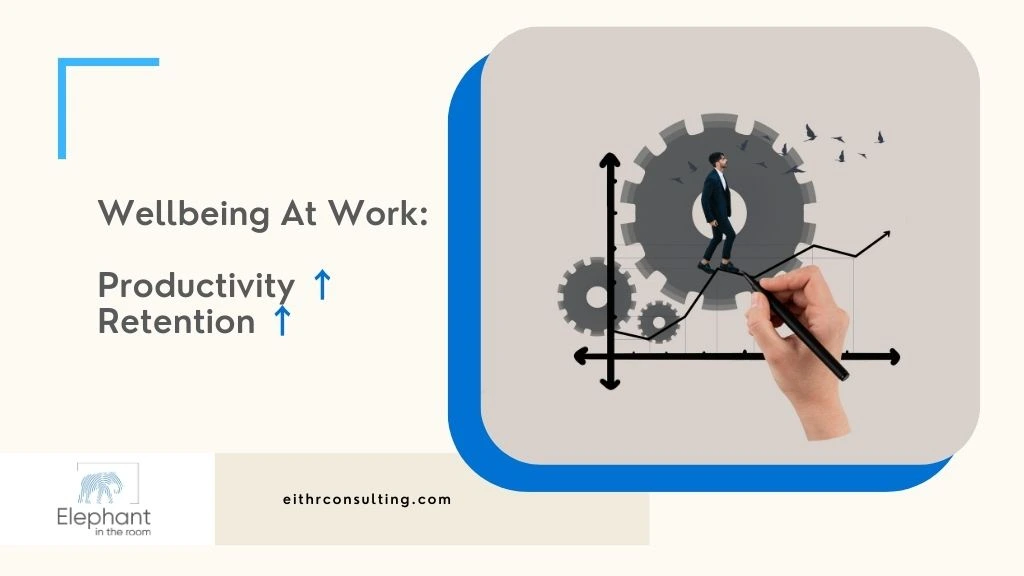
Workplaces today demand more clarity, steadiness and emotional awareness than ever before. Teams move between hybrid schedules, shifting priorities and rapid communication cycles. But how often do employees pause long enough to notice how this pace affects them? And how long can people keep functioning without the emotional support they quietly need? These questions explain why Corporate Wellbeing Programs have become essential to how organisations operate. These programs help employees recognise their stress patterns, understand how pressure influences their behaviour and build steadier habits for demanding days. When employees feel supported, they work with a clearer focus and stay committed for longer. This directly strengthens Employee Productivity and Retention, especially in fast-paced cities like Mumbai, where long commutes, unpredictable timelines and continuous communication create additional strain. Organisations are beginning to see that wellbeing is not an optional benefit. It is a practical foundation that shapes how employees think, communicate and show up every day. When wellbeing becomes part of daily functioning, workplaces become calmer, clearer and more resilient. KEY TAKEAWAYS Why Workplaces Can’t Rely on Motivation Alone Anymore? Motivation fades quickly when employees feel overwhelmed. But how often do employees speak openly about stress? And how often do they continue working silently because they fear judgment or do not want to appear incapable? These questions explain why Corporate Wellbeing Programs support both mental steadiness and long-term performance. Employees often struggle quietly when: These patterns directly affect employee productivity and weaken long-term engagement. Wellbeing programs help teams understand these hidden pressures and respond before they grow. Top Signals That Teams Are Functioning, But Not Thriving Many workplaces look productive on the surface, but the reality beneath can feel very different.Ask yourself: These are early signs that wellbeing support is missing. Corporate Wellbeing Programs help identify and address these patterns before they influence performance. How Emotional Wellbeing Shapes Daily Performance? Emotional steadiness affects how people think, collaborate and solve problems.When employees feel supported through Corporate Wellbeing Programs, they experience: 1. Better focus during demanding days Emotional clarity helps employees stay attentive even during heavy workloads. 2. Stronger communication habits Teams speak openly, reducing misunderstandings that slow progress. 3. More consistent problem-solving Clear minds produce better decisions. 4. Higher stability during change Wellbeing support reduces the emotional friction that normally accompanies transitions. 5. More balanced energy levels Employees manage their day with intention instead of reacting to pressure. These improvements directly influence Employee Productivity and Retention, helping organisations maintain strong performance even during challenging phases. Mental Health Awareness (Introductory) Program Our introductory program helps employees identify early emotional strain, manage stress more thoughtfully and build stronger communication habits. The sessions include emotional intelligence training, burnout prevention, conflict resolution, healthier self-care routines and relationship (interpersonal) strengthening. These skills reinforce the goals of Corporate Wellbeing Programs and support long-term employee wellbeing. Reach us at for a consultation. (9 am to 6 pm IST, Mon–Fri) Why Corporate Wellbeing Programs Strengthen Employee Loyalty? Organisations often ask:Why do employees leave? And what makes them stay? The reasons go beyond salary.Employees remain in workplaces where they feel: Strong Corporate Wellbeing Programs give employees these experiences. When people feel safe raising concerns, they stay longer. This strengthens employee retention and reduces the emotional and financial cost of turnover. The Link Between Wellbeing and Long-Term Retention Retention is built through everyday behaviours, not one-time gestures.When well-being becomes part of daily workplace functioning, employees feel: 1. Emotionally supported They know their concerns will be heard. 2. Confidently approaching managers Clear communication reduces hesitation. 3. Comfortable setting healthy boundaries This protects long-term engagement. 4. Motivated to contribute Feeling valued encourages ownership. 5. Connected to the organisation Trust grows when well-being becomes a shared priority. These outcomes strengthen Employee Productivity and Retention by helping employees feel part of a stable, respectful workplace. What Strong Corporate Wellbeing Programs Actually Look Like? Corporate well-being is most effective when it becomes part of everyday routines rather than occasional activities. Strong programs include: 1. Emotional awareness training Employees learn to recognise stress early. 2. Practical self-care strategies Teams understand how to manage pressure on busy days. 3. Communication skill-building Employees speak and listen with more patience. 4. Conflict resolution habits Teams separate the issue from the emotion. 5. Recovery routines Employees understand how to reset after demanding periods. These elements help Corporate Wellbeing Programs support real behavioural change rather than temporary relief. How Wellbeing Programs Improve Team Collaboration? Collaboration improves naturally when teams feel emotionally steady.Ask yourself: Wellbeing programs help employees build deeper emotional intelligence, which creates calmer interactions, clearer communication and stronger teamwork. These changes support both employee productivity and efficient collaboration. Why Managers Play a Central Role in Wellbeing Success? Managers shape the emotional climate of a workplace more than any policy.Their actions determine whether teams feel safe, supported or overwhelmed. Key impacts include: Tone Calm communication reduces emotional strain. Expectations Clear direction prevents confusion. Boundaries Respect for work hours strengthens engagement. Availability Responsive managers build trust. Recognition Acknowledgement improves morale and commitment. When leaders understand these dynamics, Corporate Wellbeing Programs become far more effective. 👉 Our Take: At EITHR, we believe wellbeing should feel natural, not forced. Corporate Wellbeing Programs help employees understand their emotional responses, communicate with honesty and build healthier work patterns. When teams develop these habits, they work with more clarity, recover from stress faster and stay committed to the organisation. Wellbeing becomes part of how work is done, shaping calmer, more connected workplaces. Long-Term Benefits Organisations See After Investing in Wellbeing Strong wellbeing strategies bring measurable improvements, such as: 1. Better decision-making Employees think clearly and avoid reactive choices. 2. Higher job satisfaction People feel valued and emotionally supported. 3. Lower turnover Employees stay longer when they feel safe and respected. 4. Stronger performance patterns Teams work with clarity and consistency. 5. More sustainable organisational growth Healthy people build healthy workplaces. These improvements strengthen Employee Productivity and Retention, making wellbeing an essential part of business strategy. Conclusion Workplaces thrive when employees feel supported, understood and valued. Corporate Wellbeing Programs help teams
How a Structured Stress Management Program Can Transform Workplace Culture
Organisations today operate in an environment where pressure builds quietly but steadily. Work moves across time zones, expectations shift without warning, and employees often carry their stress in silence. In moments like these, a question emerges. How do teams stay emotionally steady when their workday offers very few pauses? And how can organisations build cultures that protect wellbeing rather than drain it? This is where a structured employee wellness program becomes essential. These programs help employees understand their emotional patterns, build resilience and support one another through challenging phases. When a workplace invests in wellbeing, the impact goes far beyond reduced stress. The entire culture becomes calmer, clearer and more collaborative. Employees want to feel heard, supported and guided, especially when work feels unpredictable. A thoughtful approach to wellbeing helps organisations create environments where employees can think clearly, work steadily and stay committed for longer. KEY TAKEAWAYS Why Workplaces Need Structure, Not Occasional Wellness Activities? Many organisations introduce short-term wellbeing initiatives. A one-day workshop, a wellness email, a themed week. But employees often ask themselves a different set of questions. These questions highlight the gap between momentary awareness and consistent support. A structured employee wellness program addresses this gap. Instead of treating wellbeing as an add-on, it weaves emotional care into daily functioning. This includes routine check-ins, clearer communication systems and accessible internal support. A well-designed stress management program becomes a foundation rather than an occasional gesture. The Hidden Patterns That Reveal When a Workplace Needs Support Stress often appears in everyday behaviour long before burnout becomes visible. Consider whether your teams show these signs: These behaviours reflect emotional fatigue, not lack of skill. They signal the need for a steady employee wellness program that helps employees understand and manage their emotional load. When these patterns go unnoticed, they quietly shape workplace culture. Teams work, but they do not thrive. How a Stress Management Program Improves Clarity and Collaboration? A structured stress management program does not remove pressure. Instead, it equips employees with tools to navigate difficult moments with steadiness. Employees learn how to notice the first signs of tension before it begins to influence their behaviour. Short resets help employees maintain focus during intense periods. When teams learn how to express concerns without escalation, conversations become clearer and more respectful. Emotional awareness helps employees respond thoughtfully. Teams move forward with more clarity and less resentment. These improvements strengthen the overall effectiveness of any employee wellness program, making wellbeing part of everyday interaction. How Employees Experience Work When a Wellness Program Is Missing? Without structured well-being support, employees often feel they must navigate stress quietly.Ask yourself: These questions show how important a consistent employee wellness program is for creating work environments where employees do not feel alone in their struggles. Training Employees to Champion Mental Health At EITHR, we prepare selected employees to become steady points of support within their teams. Through our Mental Health Champion learning pathway, we help them build the confidence and skills needed to guide peers, encourage healthier conversations and reduce the silence that often surrounds stress. These sessions strengthen internal awareness, foster early intervention and deepen everyday engagement across the organisation. By developing peer advocates who understand emotional patterns and workplace realities, we help companies build cultures where care is shared, and well-being becomes part of how people work together. Reach us at for a consultation. (9 am to 6 pm IST, Mon–Fri) Why Leadership Plays a Central Role in Building Healthy Cultures? Leaders shape the emotional climate of a workplace more than any single initiative.When leaders participate fully in an employee wellness program, employees feel supported and confident. Strong leadership practices include: Clarity reduces confusion and emotional overload. Tone influences how teams interpret stress. Healthy pacing supports long-term well-being. Managers who understand emotional cues intervene sooner. When leaders normalise honest conversations, teams become more resilient. With leadership aligned, the employee wellness program becomes embedded in workplace culture. How a Structured Wellness Program Transforms Team Behaviour? A successful employee wellness program helps teams shift from reactive functioning to thoughtful, steady collaboration. 1. Employees become more confident in reporting discomfort Psychological safety grows when employees know their concerns are taken seriously. 2. Collaboration becomes smoother Teams communicate with more clarity and patience. 3. Conflict becomes more manageable Emotionally aware teams resolve disagreements with less tension. 4. Recovery becomes faster Employees rebound from stressful days with greater ease. 5. Engagement improves Employees contribute more actively when they feel supported. These changes reveal why a structured approach is more effective than occasional wellness activities. Why Peer Support Strengthens Workplace Wellness? One of the most effective components of a strong employee wellness program is peer support. Employees often feel more comfortable expressing emotional concerns with colleagues who understand their day-to-day challenges. Peer support helps with: This is where structured programs like EITHR’s Mental Health Champion training become valuable. They help selected employees become steady points of guidance for others. Five Long-Term Cultural Shifts Created by a Strong Wellness Program Organisations that invest in structured wellness practices experience sustainable cultural change. 1. More predictable emotional climate Fewer sudden conflicts, clearer communication and greater calm. 2. Teams that support one another Peer awareness reduces emotional isolation. 3. Greater confidence during change Employees adapt faster when stress is managed well. 4. Long-term trust in leadership Employees feel valued and respected. 5. Stronger organisational identity Wellbeing becomes part of the workplace identity rather than a separate initiative. These shifts highlight the deeper purpose of an employee wellness program. 👉 Our Take: At EITHR, we believe wellbeing must feel consistent, practical and integrated into daily work. A structured employee wellness program helps employees understand their emotions, manage pressure effectively and communicate with openness. When teams build these skills, organisations experience healthier collaboration, steadier performance and stronger culture. Over time, wellbeing becomes part of how work is done, not an activity reserved for special days. Conclusion Every organisation wants teams that communicate clearly, recover quickly and collaborate with steadiness. A structured employee wellness program creates
Breaking the Stigma: The Rising Importance of Workplace Mental Health in India

Conversations around mental health in the workplace in India are changing faster than many organisations expected. For years, employees kept quiet about stress, anxiety or emotional exhaustion because they feared being judged, sidelined or misunderstood. But today, younger professionals, hybrid schedules, high workload intensity and a rising awareness of burnout are forcing workplaces to rethink how they treat emotional well-being. Yet a question remains: If employees are more open than ever before, why are so many still afraid to ask for help? And what prevents teams from speaking honestly when stress becomes overwhelming? These questions reveal a deeper truth. Mental health in the workplace has become central to how organisations in India function. Employees want environments where well-being is treated with the same seriousness as performance, client expectations and deadlines. When workplaces ignore this, productivity drops quietly, conflicts rise, and teams start functioning on emotional autopilot. India’s workforce is at a turning point. Workplace mental health in India is no longer a background topic. It has become a structural need for organisations that want clarity, stability and long-term retention. KEY TAKEAWAYS Why India’s Workplaces Can No Longer Ignore Emotional Well-being? The workday in India looks very different now. Hybrid models, constant communication and long hours have become common. But how often do employees get the space to say, “This is becoming overwhelming”? And how often do managers sense the strain before performance begins to decline? This is where mental health in the workplace becomes essential. Organisations are beginning to see that employees need more than motivation. They need environments where: In many sectors, the pressure to stay available, meet sudden expectations and manage unpredictable workloads affects both performance and long-term commitment. This is why Employee mental health India is now a strategic priority, not a personal concern. The Silent Struggles Hidden Beneath “I’m Fine” Stress rarely enters an office dramatically. It appears in quiet but persistent ways.For example: These signals reveal that mental health in the workplace in India needs deeper attention. Employees often manage emotional strain quietly until it begins to affect relationships, focus and daily functioning. Why Stigma Still Exists Even When Awareness Is Growing? India has become more open about mental health, but stigma has not disappeared.Why? 1. Fear of appearing incapable Many employees believe admitting stress might affect promotions or performance reviews. 2. Cultural norms around silence Across industries, people are taught to “manage on their own. 3. Limited examples of senior leaders speaking openly When leaders stay silent, teams follow the same pattern. 4. Misunderstanding of emotional challenges Stress and fatigue are still dismissed as a lack of discipline or poor time management. These patterns show why mental health in the workplace needs structured, ongoing support rather than one-time initiatives. Mental Health Awareness (Introductory) Program Our Mental Health Awareness sessions help employees understand early emotional cues, recognise stress patterns and build healthy coping habits. The sessions cover identifying common mental health concerns, handling burnout, applying simple self-care practices, improving emotional intelligence, strengthening relationships and navigating conflict more calmly. These tools support organisations looking to improve mental health in the workplace in India by integrating practical wellbeing habits into daily routines. Reach us at for a consultation. (9 am to 6 pm IST, Mon–Fri) The Growing Shift Toward Supportive and Safer Work Environments Companies in India are beginning to change their approach, realising that wellbeing shapes performance far more than they assumed.Teams feel safer when workplaces: Create predictable routines Clear communication reduces confusion and emotional overload. Allow employees to express early concerns This prevents small issues from snowballing into burnout. Encourage balanced workloads Employees feel valued when their energy is protected. Normalise emotional conversations This removes the fear of judgment. These shifts strengthen Workplace mental health India and help teams operate with steadiness. How Mental Health Affects Productivity More Than Workload? Many believe performance issues come from a lack of skill or motivation. But often, the root lies in emotional strain. Tasks take longer because the mind feels cluttered. Teams respond quickly but without thoughtfulness. Small disagreements feel heavier than they are. Employees withdrawn by stress avoid discussions. Fatigue reduces confidence. This is why mental health in the workplace directly affects an organisation’s output, engagement and long-term stability. What Employees Expect From Today’s Indian Workplaces? Employees in 2025 expect workplaces to provide more than policies. They want: 1. Steady leadership during uncertainty Teams look for managers who respond with clarity rather than panic. 2. Early recognition of emotional strain Employees want their discomfort to be noticed before it becomes severe. 3. Clear boundaries Respect for personal time builds long-term trust. 4. Safe spaces to talk Employees feel supported when conversations are judgment-free. 5. Awareness-driven culture Workplaces that practice care, not just talk about it. These expectations show how deeply mental health in the workplace in India influences retention and commitment. Everyday Practices That Improve Mental Health at Work Workplaces thrive when wellbeing becomes part of their daily rhythm. Practical habits include: Short mental resets help teams maintain clarity. These reveal early discomfort. Sustainable pace improves quality. Much of the emotional strain hides in communication. Five minutes of quiet can reset the entire day. These simple actions improve mental health in the workplace without disrupting productivity. 👉 Our Take: At EITHR, we have seen how workplaces transform when emotional well-being becomes part of daily conversations. Strong practices create environments where employees feel supported, guided and understood. Mental health in the workplace shapes the tone, clarity and pace of every workday. When organisations embed these habits consistently, teams experience more steadiness, healthier communication and deeper trust. Over time, this becomes the foundation for a truly caring workplace. How Leadership Shapes the Future of Workplace Mental Health? Leaders influence how safe employees feel more than any policy ever will.Ask yourself: Managers who adopt these behaviours support stronger Workplace mental health in India. Their presence directly influences stress levels, team trust and long-term engagement. Conclusion India’s workplaces are evolving, and employees expect environments where well-being is taken seriously and with
