Workplace Anxiety: Causes, Impact, and 9 Ways to Help Employees Deal With Work Anxiety
More than 40% of workers report feeling tense or stressed during their workday, and upwards of three in five report higher stress when psychological safety is low, illustrating how common workplace anxiety has become. Globally, an estimated 15% of working-age adults live with a mental health condition such as anxiety or depression. Together, these conditions lead to around US$ 1 trillion in lost productivity each year. This makes workplace anxiety not just an individual concern but a structural challenge for organisations. In this post, we unpack what workplace anxiety looks like, what drives it, and 9 clear ways organisations can help employees manage anxiety at work. KEY TAKEAWAYS Understanding Workplace Anxiety Workplace anxiety develops when pressure builds faster than the mind can recover. When staff operate in a heightened state of alert for prolonged periods, even familiar tasks begin to feel draining. This accumulation is different from ordinary stress it becomes a pattern, weakening confidence and emotional reserve over time. Causes of Workplace Anxiety Workplace anxiety develops when pressure builds faster than recovery. It is usually driven by a combination of everyday work conditions rather than one single event. Common causes include: Over time, these conditions turn normal stress into ongoing anxiety, even when workloads appear manageable. The Impact of Workplace Anxiety on Teams Anxiety doesn’t stay confined to individuals. It shapes how people communicate and collaborate. Writers, researchers, and occupational health bodies have documented these effects: when anxiety increases, team trust declines, and performance patterns deteriorate gradually rather than suddenly. Employees may withdraw in meetings, overthink decisions, or become less willing to take creative risks. This leads to cautious behaviours that slow progress and weaken psychological safety, making it harder for teams to recover without intentional support. How to Manage Anxiety at Work Without Adding More Pressure? Managing anxiety at work is not about asking employees to cope harder or be more resilient on their own. It starts with reducing unnecessary strain, increasing clarity, and creating environments where people feel supported rather than watched. When organisations focus on practical changes in how work is structured, communicated, and paced, anxiety reduces as a natural outcome rather than a forced intervention. This approach shifts the focus from fixing individuals to improving everyday work conditions. As a result, employees are better able to manage anxiety at work without feeling like well-being is another task added to their load. 9 Ways to Help Employees Deal With Work Anxiety Helping employees manage anxiety at work requires changes in how work is structured and supported, not just individual coping strategies. 1. Normalise Anxiety Without Labelling It Anxiety decreases when people understand that feeling stressed under pressure is a common human response, not a personal flaw. Acknowledging this openly at work reduces shame and encourages early discussions. This shift makes it easier for employees to ask for help or clarify expectations early, rather than letting tension build. 2. Train Managers to Recognise Early Signs Managers often see behavioural shifts before employees label their anxiety themselves. Changes like withdrawal, irritability, or over-preparation are common workplace anxiety symptoms. When managers respond with calm curiosity and support, it builds trust. Early adjustment prevents small tensions from becoming larger performance issues. 3. Clarify Roles and Priorities Unclear roles force employees to guess what matters most, increasing mental load and anxiety. When leaders clarify priorities, accountabilities, and decision rights, employees can focus with confidence. Clarity reduces guesswork and frees cognitive resources for meaningful work. 4. Avoid Constant Pressure When everything feels urgent, teams remain in a survival mindset. This disrupts thoughtful decision-making and increases emotional strain. Leaders who distinguish real urgency from perceived pressure give employees emotional space to think clearly. As a result, stress decreases, and output improves. 5. Create Predictable Work Rhythms Predictable routines and regular check-ins provide emotional stability. When employees know what to expect and when, anxiety drops. Clear workflows and planned updates help people pace their work instead of staying on edge all the time. 6. Strengthen Psychological Safety Anxiety grows where people fear judgment or consequences for speaking up. Psychological safety means employees can ask questions, admit uncertainty, or voice concerns without fear. This openness reduces internal pressure and builds trust. Teams with strong safety cope better with pressure. 7. Teach Practical Emotional Regulation Skills Awareness alone does not help people in moments of stress. Employees need tools to calm their nervous systems, communicate during anxiety, and recover after pressure. Practical skill-based learning helps to manage anxiety at work. These tools help employees cope with pressure without stepping away from work. 8. Model Healthy Boundaries at Leadership Levels Employees watch leadership behaviour more than policy documents. When leaders respect rest, set boundaries, and communicate thoughtfully, it signals permission for the rest of the organisation to do the same. This reduces guilt around breaks and recovery. Healthy leadership norms create healthier teams. 9. Reinforce Support Consistently Over Time One-off wellness sessions rarely change anxiety patterns. Support must be visible, regular, and integrated into work routines. Over time, this consistency builds trust and emotional resilience. Predictable learning and reinforcement show that well-being is a long-term priority, not a fleeting initiative. Not sure which of these areas your organisation should prioritise? A conversation with an Elephant-in-the-Room expert can help identify the right starting point and design a scientifically grounded learning experience. 👉Our Take: Workplace anxiety is often misunderstood because it looks like an individual issue when it is actually shaped by systems, expectations, and daily interactions. When work environments reward constant urgency, silence, or overextension, anxiety becomes a predictable outcome. Also Read: Anxiety and Stress in the Workplace is Destroying Productivity – Here’s How to Fix It Conclusion Workplace anxiety grows when pressure builds faster than support can keep up. When organisations notice early signs and respond with clarity and care, everyday strain is less likely to turn into disengagement or burnout. This kind of early attention helps employees feel more grounded and less caught in constant reaction mode. Recognising workplace anxiety symptoms early and supporting employees
Corporate Wellness Program Near Mumbai: What Local Companies Need Beyond Generic Wellbeing
When organisations search for a corporate wellness program near Mumbai, the results often look similar. Yoga sessions, step challenges, health talks, meditation apps. All well-intentioned. All neatly packaged. Yet many leadership teams quietly wonder why engagement plateaus after the first few months. Employees attend once or twice, then energy fades and behaviour stays the same. This is pushing local companies to see that wellbeing is shaped by real work pressures and regional culture, not generic checklists. As a result, the search for employee wellness near me now reflects a need for relevance, credibility and lasting impact rather than simple convenience. KEY TAKEAWAYS What Local Companies Often Miss When Choosing Wellness Programs? 1. The Gap Between Participation and Impact Attendance does not equal transformation. Many corporate wellness programs attract initial curiosity but fail to influence daily habits, communication quality or stress response. Without practical application, learning stays surface-level. 2. Regional Work Pressures Shape Emotional Load Mumbai professionals navigate long commutes, dense schedules and fast decision cycles. Fatigue accumulates differently here. Programs that ignore this reality often feel disconnected from lived experience. 3. One-Size-Fits-All Content Dilutes Trust Employees quickly sense when content feels generic or recycled. When examples do not reflect real scenarios, engagement drops, and credibility weakens. 4. Psychological Safety Determines Participation People hesitate to engage deeply when emotional conversations feel risky. Without trust, wellness becomes performative rather than meaningful. 5. Skill Development Creates Lasting Change Stress management, boundary setting, emotional regulation and communication skills require practice, not just awareness. Learning must translate into daily behaviour. 6. Leadership Behaviour Signals Real Priorities Employees observe how leaders manage pressure, feedback and rest. When leadership behaviour contradicts wellbeing messaging, trust erodes quickly. 👉 OUR TAKE: Wellbeing succeeds when it reflects real work pressure, not idealised routines. Local relevance, skill building and psychological safety create credibility that generic programs cannot replicate. 7. Measurement Anchors Wellness in Business Reality Tracking participation trends, feedback quality and behavioural shifts helps organisations refine what actually works instead of relying on assumptions. What Companies Should Look for When Searching “Employee Wellness Near Me” Local relevance matters. Programs that reflect real work culture, pressure points and leadership dynamics resonate more deeply than generic formats. At EITHR, our programs are designed as learning journeys, combining practical skill building, reflection and leadership alignment so wellbeing becomes part of everyday work rather than a one-time initiative. When well-being feels embedded, engagement strengthens, and behavioural change sustains. Conclusion Searching for a corporate wellness program near Mumbai is no longer about ticking a wellbeing box. It is about building emotional stability, communication quality and long-term resilience inside real organisational conditions. Companies that move beyond generic formats create healthier cultures and steadier performance. And thus, we work closely with organisations seeking meaningful employee wellness solutions and offer them people-centred learning experiences that support behavioural change rather than surface engagement. Frequently Asked Questions
Why Work Feels So Difficult Lately, and It’s Not Really About The Job?
Many people remain in the same roles, with familiar teams and routines, yet work feels heavier. Focus slips faster, and even simple tasks require more effort than before. The strain is rarely just about workload or deadlines. Emotional fatigue and blurred boundaries quietly shape daily experience. Strained workplace relationships, lingering work stress relationships, and shifting team dynamics at work often make interactions harder than the work itself. Real relief begins when organisations recognise this emotional load and respond thoughtfully. KEY TAKEAWAYS What Is Really Making Work Feel Harder Than Before? 1. Quiet Build-Up of Emotional Fatigue Most people did not reach exhaustion through one dramatic moment. Stress accumulated slowly through constant change, prolonged uncertainty and limited recovery. When the nervous system stays activated for too long, patience shortens, focus weakens, and small frustrations feel heavier than they should. 2. Energy Drain from Strained Workplace Relationships Daily interactions shape emotional load more than workload alone. Misaligned expectations, unresolved conflict, and unclear communication quietly strain workplace relationships. Even neutral conversations can feel tense when trust is low, and people begin conserving emotional energy rather than collaborating openly. 3. Lingering Impact of Work Stress Relationships Beyond Office Hours Unresolved conversations rarely stay contained within work hours. People replay interactions, anticipate difficult meetings and carry emotional residue home. These ongoing work stress relationships interfere with rest and recovery, making the next day start from depletion rather than renewal. 4. Influence of Team Dynamics at Work on Safety and Motivation Strong team dynamics at work create emotional buffers during pressure. People feel safer asking questions, sharing concerns and supporting one another. When trust or clarity is missing, uncertainty multiplies and collaboration becomes cautious rather than fluid. 5. Weak Boundaries That Limit Real Recovery Digital access keeps many employees mentally connected to work beyond formal hours. Without psychological closure, emotional recovery remains incomplete. Over time, this contributes to persistent fatigue and reduced emotional regulation. 6. Lack of Emotional Coping Skill Development Most professionals are trained for output, not emotional management. Few learn how to regulate stress, navigate difficult conversations or restore balance after pressure. Without these skills, people rely on avoidance or overwork, which deepens long-term strain. 7. Reduced Human Connection and Lower Resilience Hybrid work and time pressure limit informal connections. Small moments of reassurance, shared humour, and casual check-ins happen less often. When connection fades, resilience drops and recovery becomes harder. 👉 OUR TAKE: Work difficulty today reflects emotional complexity rather than workload alone. Healthy relationships, steady team dynamics and safe conversations restore energy more effectively than pressure-driven fixes. How Can Organisations Respond More Thoughtfully? Improving performance today requires strengthening emotional systems, not only operational ones. Organisations that invest in communication quality, psychological safety and learning culture improve stability across teams. When well-being shows up consistently in leadership behaviour and everyday interactions, trust grows naturally. Conclusion When work feels unusually heavy, the cause often lies in emotional strain, not task volume. Strained workplace relationships, unresolved work stress relationships, and fragile team dynamics at work quietly shape daily experience. Organisations that address these human layers build stronger engagement, steadier performance and healthier cultures. At EITHR, we support organisations in strengthening these foundations through practical learning experiences that improve communication, emotional awareness and relational resilience. Frequently Asked Questions
Micro-Workshops vs. Deep Dives: How to Choose The Right Mental Health Format For Your Workforce
Workplaces are investing more thoughtfully in employee well-being, yet many leaders face the same decision. Should they choose short micro-workshops or commit to deeper training programs? Both promise value, but serve very different organisational needs. Choosing the right format for workplace mental health training now goes beyond ticking a box. It shapes participation, learning retention and cultural credibility, and determines whether change lasts or fades quietly. KEY TAKEAWAYS 👉 Not sure which format fits? Talk to Elephant-in-the-room Expert today to create a scientifically-backed learning experience! Top 7 Factors to Consider When Choosing the Right Format Choosing a format is not just a logistical decision. It shapes how comfortable employees feel engaging, how much they absorb, and whether learning carries into daily behaviour. Outlined below are the key factors to consider when planning employee wellness workshops. 1. Learning Goals Come Before Session Length Before selecting a format, clarify what you want employees to gain. If the goal is awareness, language building or normalising mental health conversations, short sessions often work well. If the goal is skill development, emotional regulation or leadership capability, deeper engagement becomes essential. Format should always serve outcomes, not convenience. 2. Micro-Workshops Support Momentum and Accessibility Micro-workshops are short, focused sessions that introduce a single theme or skill. They fit easily into busy schedules and reduce resistance to participation. For organisations starting their employee wellness workshops, this format lowers entry barriers and encourages early engagement. It helps employees build familiarity without feeling overwhelmed. However, micro-sessions rarely allow space for personal reflection or behavioural practice. Their strength lies in awareness, not transformation. 3. Deep Dives Create Real Behavioural Shifts Deep dives involve longer sessions, structured learning journeys and guided reflection. Participants have time to explore emotional patterns, practise skills and discuss real scenarios. This format strengthens emotional intelligence, leadership sensitivity and sustainable coping strategies. In mature organisations investing seriously in workplace mental health training, deep dives often produce measurable cultural change. The trade-off is time commitment and readiness. Without psychological safety, deep sessions may feel uncomfortable or rushed. 4. Workforce Readiness Shapes Engagement Not every workforce is equally prepared for deeper emotional learning. Teams new to wellbeing conversations often benefit from lighter formats first. Micro-workshops help establish language, reduce stigma and create shared understanding. As trust grows, deeper learning becomes more effective and welcomed rather than resisted. 👉 OUR TAKE: Resilience building and psychological safety at the workplace start with respecting how people absorb change. Short mental wellbeing sessions create safe entry points, while deeper engagement supports lasting behavioural shifts. When learning is paced, contextual, and matched to workforce readiness, participation feels supportive rather than exhausting. 5. Time Constraints Influence Consistency Operational realities matter. Teams with heavy client loads or shift work may struggle with long sessions. In such cases, consistent short sessions sustain learning without disrupting productivity. Deep dives work best when leadership actively protects learning time and signals that wellbeing is a real priority, not an add-on. 6. Measurement Should Guide Format Decisions Attendance patterns, feedback quality and behavioural indicators reveal which format resonates. If micro-sessions spark curiosity but little application, deeper learning may be needed. If long sessions show fatigue or low attendance, breaking content into smaller modules can restore engagement. Data should shape design rather than assumptions. 7. Blended Models Often Deliver the Strongest Impact Many organisations find success by combining formats. Micro-workshops build awareness and keep conversations alive. Periodic deep dives strengthen skill development and leadership maturity. This layered approach keeps wellbeing visible while allowing depth where it matters most. How Can You Build a Learning Experience That Truly Fits Your Organisation? The right format depends on cultural maturity, leadership involvement, operational capacity and employee readiness. When thoughtfully designed, both formats can strengthen emotional safety, communication quality and resilience across teams. 👉 Want long-term behavioural change? Explore EITHR’s professional interventions tailored to your team’s readiness! Conclusion Mental health learning is not a one-time intervention. It is an evolving process that requires consistency, relevance and psychological safety. Choosing the right balance between micro-workshops and deep dives allows organisations to meet employees where they are while guiding them toward healthier patterns of work. So, we help organisations design practical learning pathways that integrate awareness, skill building and cultural alignment through thoughtfully structured employee wellness workshops and long-term workplace mental health training programs. Frequently Asked Questions
What Gen Z Wants In The Workplace: 7 Key Trends Employers Must Know
A new generation has entered the workplace, and they are not quietly fitting into existing systems. Gen Z is asking sharper questions. What kind of environment supports mental steadiness? What feels respectful rather than pressurising? And why do some organisations connect with Gen Z talent almost effortlessly, while others struggle to keep them engaged? Understanding Gen Z value systems is now a core part of building a future-ready workplace. These employees bring a clear sense of boundaries, emotional awareness and purpose. Their expectations are not shaped by entitlement, but by observation. They grew up watching burnout, instability and constant hustle culture, and they are far more intentional about where they invest their energy. Their choices are quietly reshaping hiring, engagement and retention across industries. KEY TAKEAWAYS Top 7 Trends Shaping Gen Z Expectations at Work 1. Mental Health Is Part of Everyday Work, Not a Crisis Topic For Gen Z, mental health is not reserved for moments of breakdown. It is part of daily functioning. They observe how stress is handled, how managers speak during pressure and whether emotional discomfort is acknowledged or dismissed. Many ask themselves early on, Is this a workplace where I can speak honestly if I am struggling? This expectation reflects a deeper Gen Z work ethic and values rooted in sustainability rather than endurance. Silence around stress signals risk to them, not professionalism. 2. Psychological Safety Carries More Weight Than Perks Office perks may look appealing, but they mean little if employees feel unsafe speaking up. Gen Z pays close attention to everyday interactions. Do managers listen or interrupt?Are questions welcomed or brushed aside?Is feedback delivered with care or urgency? Psychological safety determines whether Gen Z feels comfortable sharing ideas, admitting mistakes or asking for help. When safety is missing, disengagement happens quietly and quickly. 3. Purpose Matters More Than Titles Gen Z is not motivated by hierarchy alone. They want to understand why their work matters. They often ask, How does my role contribute beyond output? Does this organisation live by the values it promotes? Purpose gives meaning to effort, especially during demanding periods. This focus on impact over image is a defining part of Gen Z value systems, particularly in organisations competing for young talent. Training Employees to Champion Mental Health Workplaces shaped by Gen Z trends increasingly value peer support, openness and shared responsibility for wellbeing. Recognising this shift, we at EITHR help organisations prepare selected employees to become mental health champions who encourage honest conversations, reduce stigma and support colleagues in everyday moments of stress. This peer-led approach aligns closely with Gen Z preferences for care that feels approachable, inclusive and embedded in daily work life rather than driven only from the top. Reach us at to book a free consultation. (9am to 6pm IST, Mon–Fri) 4. Clear Communication Builds Trust Faster Than Authority Hierarchy does not impress Gen Z. Clarity does. They value managers who explain expectations, communicate changes early and remain available during uncertainty. Ambiguity creates stress quickly, especially for those early in their careers. When communication feels rushed or inconsistent, it is read as disorganisation or lack of care. Transparency builds trust faster than authority ever could. 5. Growth Is About Learning, Not Just Promotion For Gen Z, growth means skill building, not just moving up. They look for opportunities to develop emotional intelligence, communication skills and resilience alongside technical knowledge. They notice whether organisations invest in learning that supports real development or focus only on performance metrics. This learning-oriented mindset reflects Gen Z’s work ethic and values, where long-term capability matters more than short-term recognition. 6. Peer Connection Shapes How Safe Work Feels Gen Z values genuine connection with colleagues, not forced bonding exercises. They want workplaces where peers support one another, share knowledge openly and normalise asking for help. Environments that encourage collaboration over competition feel safer and more sustainable. This sense of community plays a strong role in shaping Gen Z values at work, especially in hybrid and fast-paced settings. 7. Wellbeing Must Be Practised, Not Just Promised Gen Z quickly notices gaps between words and action. A wellbeing policy carries little meaning if overwork is praised or exhaustion is ignored. They observe daily behaviours closely. Are boundaries respected? Is rest encouraged? Do leaders model healthy pacing? Consistency between intention and action is one of the strongest signals of credibility for Gen Z employees. Why Employers Need to Rethink Their Internal Culture? Gen Z is not asking for special treatment. They are asking for sustainable work environments. Organisations that fail to adapt often see higher turnover, lower engagement and quieter disengagement. Those who listen, reflect and adjust build loyalty faster and more naturally. Understanding Gen Z expectations helps employers design cultures that work better for everyone, not just one generation. Our Take Gen Z is reshaping workplace expectations by prioritising clarity, mental wellbeing and purpose. Their perspective reflects a deeper understanding of what sustainable work truly looks like. When organisations align with these values, they build cultures that feel safer, more human and more resilient. These environments benefit every generation, not just the newest one. Conclusion The future of work is being shaped quietly by Gen Z choices. They stay where they feel supported and leave where they feel unheard. Employers who take the time to understand these shifts gain more than retention. They build trust, engagement and long-term stability. At EITHR, we support organisations in strengthening these foundations through practical, people-centred approaches that help workplaces grow with awareness rather than pressure. Frequently Asked Questions
Workplace Anxiety is More Common Than You Think: Here’s How to Spot it Early and Bounce Back
Most people expect work to feel demanding at times. Deadlines, presentations and difficult conversations are part of the job. But what happens when that pressure quietly turns into something heavier? When nervousness lingers even after the workday ends, or when simple tasks begin to feel unusually draining? This is where work anxiety often begins to surface. It does not always look dramatic. In fact, it often blends into daily routines so well that both employees and organisations overlook it. Workplace anxiety is far more common than many realise, and learning to spot it early can make a meaningful difference to both wellbeing and performance. KEY TAKEAWAYS Why Anxiety at Work Often Goes Unnoticed? Anxiety rarely announces itself clearly. Many employees continue showing up, meeting deadlines and responding to messages, all while feeling unsettled inside. This makes anxiety at work difficult to identify, especially in environments that reward constant availability and quick responses. Employees may assume their discomfort is just part of being professional. Managers may interpret silence as coping. Over time, this quiet strain builds, affecting focus, communication and confidence without drawing attention. Early Signs That Anxiety May Be Taking Hold Spotting anxiety early requires noticing subtle shifts rather than obvious breakdowns. Some common indicators include: These patterns often signal workplace anxiety in employees, even when productivity still appears steady on the surface. How Workplace Anxiety Affects Teams, Not Just Individuals? Anxiety does not stay contained within one person. It quietly shapes team dynamics. Communication may become guarded. Collaboration can feel strained. Misunderstandings arise more easily when people are mentally preoccupied. When work anxiety spreads across a team, it affects trust and openness. Employees may stop asking questions or sharing concerns, fearing judgement or appearing incapable. This is often when performance begins to dip, not because of skill gaps, but because emotional capacity is stretched. Why High Performers Are Often the Most Affected? One common misconception is that anxiety only affects employees who are struggling. In reality, highly driven individuals are often more vulnerable to workplace anxiety. They set high standards for themselves, replay conversations repeatedly and worry about falling short. Because they continue delivering results, their distress often goes unnoticed. This makes early awareness especially important for preventing long-term exhaustion. Resilience and Collaboration Sessions At EITHR, our Resilience and Collaboration Sessions support employees in building emotional strength and healthier ways of working together. These sessions focus on stress management, emotional intelligence, positive psychology, conflict resolution and workplace relationships. They also address burnout recovery, digital overload and the challenges of managing young or diverse teams. By strengthening communication and collaboration, these sessions help teams navigate pressure with greater clarity and confidence. Reach us at to book a free consultation. (9am to 6pm IST, Mon–Fri) The Difference Between Normal Stress and Anxiety at Work Stress usually rises and falls with workload. Anxiety tends to linger even when tasks are manageable. Employees experiencing anxiety at work may feel on edge without a clear reason, or remain tense long after deadlines pass. Understanding this difference helps organisations respond appropriately. Stress can often be eased through workload adjustments. Anxiety requires emotional awareness, reassurance and supportive communication. How to Create Space for Early Conversations? Early intervention begins with psychological safety. Employees are more likely to speak up when they feel heard rather than evaluated. Simple actions can help: These steps help surface workplace anxiety in employees before it deepens into burnout or disengagement. Bouncing Back Starts With Emotional Skills, Not Just Time Off Time away from work can help, but it is rarely enough on its own. Employees need skills that help them manage emotional responses, communicate clearly and rebuild confidence. This includes learning how to: When these skills are developed, recovery becomes more sustainable, and teams regain steadiness. Our Take Anxiety at work does not mean employees are weak or incapable. It often means they care deeply and need better support systems. When organisations learn to recognise early signs and respond with empathy, employees feel safer asking for help. This openness strengthens both wellbeing and performance over time. Conclusion Workplace anxiety is more common than many organisations expect, and it rarely disappears on its own. When left unaddressed, it quietly shapes behaviour, communication and confidence. Spotting it early, creating space for honest conversations and building emotional skills can help employees bounce back before strain turns into something heavier. At EITHR, we work with organisations to create environments where employees feel supported, understood and better equipped to navigate pressure with resilience and clarity. Frequently Asked Questions
Workplace Stress vs. Burnout: How To Tell The Difference
Feeling stretched at work is common. Feeling empty is not. Yet many organisations treat both as the same problem. Stress and burnout often get used interchangeably, but they are not the same experience. One is a signal. The other is a warning sign that went unheard for too long. Understanding the difference between stress and burnout in the workplace is no longer just helpful. It is essential for protecting employee wellbeing, performance and long-term engagement. So how do you tell the difference? And why does it matter so much in today’s fast-paced workplaces? KEY TAKEAWAYS When Does Work Pressure Start Feeling Heavy? Stress usually begins with pressure. Deadlines pile up. Meetings stretch longer. Messages keep coming even after work hours. The mind feels alert, sometimes restless, but still engaged. Burnout feels different. It is not about having too much to do. It is about feeling unable to care anymore. This is why recognising the difference between stress and burnout in the workplace early can change outcomes entirely. Stress can often be managed and reduced. Burnout requires recovery, not just rest. Is Work Stress Still Manageable? Workplace stress is often linked to external demands. Employees under stress may feel: Stress can even feel productive for short periods. People remain emotionally invested. They still care about outcomes. They still want to perform well. Understanding this phase is critical because stress, when supported properly, does not have to lead to burnout. This is the first key insight into the difference between stress and burnout in the workplace. Difference Between Stress and Burnout Stress often responds well to: Burnout requires: Applying stress solutions to burnout can feel invalidating. This is another reason why clarity around the difference between stress and burnout in the workplace matters so deeply. How Stress and Burnout Feel Different? Understanding behaviour alone is not enough. The emotional experience matters more. Stress often sounds like:“I’m overwhelmed, but I’ll manage.”“I just need a break.”“This phase will pass.” Burnout sounds like:“I don’t care anymore.”“I feel stuck.”“Even rest doesn’t help.” Recognising this emotional shift is central to understanding the difference between stress and burnout in the workplace and responding appropriately. Mental Health Support Starts With Leadership At EITHR, our Mental Health Awareness (Introductory) sessions help employees recognise emotional strain early and understand how stress, burnout, and fatigue show up at work. The sessions build practical self-care habits, strengthen emotional awareness, and improve communication during pressure, helping teams respond before stress turns into burnout. To explore how this can support your teams, connect with us at +91 9004830116 (Mon–Fri, 9 am to 6 pm IST). How Burnout Drains Your Energy? Burnout is not about being busy. It is about being depleted. Employees experiencing burnout may feel: At this stage, motivation does not return easily. Encouragement feels hollow. Time off helps temporarily, but the heaviness returns quickly. This is why organisations must clearly understand the difference between stress and burnout in the workplace, because burnout cannot be fixed with short breaks or motivational talks alone. Why Stress Turns Into Burnout So Quietly? Burnout rarely appears overnight. It builds slowly when stress is repeatedly ignored or normalised. Ask yourself: When these patterns become routine, stress no longer has space to resolve. Over time, it hardens into burnout. This progression highlights the real difference between stress and burnout in the workplace; one responds to care, the other emerges when care is absent. Why Teams Often Miss the Signs of Burnout? One of the biggest mistakes organisations make is assuming burnout looks dramatic. In reality, it often looks like quiet withdrawal. Burned-out employees may: Because they are not visibly distressed, their burnout goes unnoticed. This is why training and awareness are essential for spotting the difference between stress and burnout in the workplace before productivity and morale suffer. How to Identify Signs of Burnout? Managers are trained to manage tasks, not emotions. Without the right skills, they may interpret burnout as a lack of motivation or a poor attitude. But burnout is not a performance problem. It is a capacity problem. When managers learn to identify emotional fatigue, communication shifts and withdrawal patterns, they are better equipped to respond with care rather than pressure. This awareness directly supports healthier handling of the difference between stress and burnout in the workplace. Why Talking About Burnout Still Feels Risky? Despite growing conversations around mental health, many employees still hesitate to speak openly. Why? This silence allows burnout to deepen. Building safe spaces where employees can talk early while they are still in the stress phase helps prevent burnout entirely. This proactive approach starts with understanding the difference between stress and burnout in the workplace. Awareness-based Training Saves You From Exhaustion Many workplaces want to support employees but do not know where to start. Awareness-based mental health training helps teams: These foundations help employees and managers respond earlier, before stress turns into burnout. 👉 OUR TAKE: Stress is not failure, and burnout is not weakness. Both are signals that deserve attention. When organisations understand the difference, support arrives earlier, not after exhaustion. Awareness, open communication, and emotional skills help create workplaces where people feel heard before they are drained. Conclusion Modern workplaces cannot afford to treat all exhaustion the same way. Stress and burnout require different responses, different conversations and different levels of care. Understanding the difference between stress and burnout in the workplace allows organisations to protect employee wellbeing, sustain performance and build cultures rooted in awareness rather than urgency. When employees feel seen before they feel depleted, work becomes not just manageable but meaningful again. Frequently Asked Questions
Why Every Organisation Needs a Stress Management Workshop For Employee Wellbeing?
Workplaces today move quickly, shift frequently and demand constant clarity. But behind this pace, how often do employees pause long enough to recognise the tension building within them? And how many continue working through discomfort because they believe they must appear strong? These questions reveal why a thoughtfully designed Stress management workshop has become essential for modern organisations. Employees want support, steadier routines and a work culture that acknowledges emotional strain instead of overlooking it. When workplaces invest in wellbeing, performance becomes more consistent, and teams function with greater trust. A well-structured Stress management workshop helps employees understand what triggers their stress, how they react to pressure and what habits allow them to stay grounded even during demanding periods. In growing cities like Mumbai, where long commutes and unpredictable timelines intensify pressure, these workshops directly strengthen Employee wellbeing and long-term engagement. KEY TAKEAWAYS The Quiet Ways Stress Shapes How Teams Think and Work Stress rarely announces itself. It shows up slowly in routines that seem normal. Employees begin to: These patterns reflect emotional fatigue rather than a lack of capability. A Stress management workshop helps employees see these signals earlier and respond more thoughtfully. When teams understand their emotional patterns, collaboration becomes smoother and communication feels clearer. Strong Workplace stress management practices prevent small discomforts from becoming full burnout. Why Workplaces Cannot Rely on Motivation Alone? Many workplaces try to lift morale through motivation, but employees often ask themselves deeper questions. • What do I do when motivation fades during high-pressure weeks?• How do I speak about stress without worrying about consequences?• Who can I approach when I feel emotionally overwhelmed? Motivation helps temporarily. A structured Stress management workshop builds long-term steadiness. It teaches employees how to recognise their stress responses, manage emotional reactions and build habits that support resilience. This shift forms the foundation of sustained Employee wellbeing. What Makes a Stress Management Workshop Truly Effective? A strong Stress management workshop goes beyond theory. It offers practical, accessible tools that employees can use immediately. Employees learn how stress develops, peaks and influences communication, focus and decision-making. Short, easy resets help employees stay composed during demanding hours. Teams learn how to express concerns calmly and listen without defensiveness. Employees gain confidence in managing workloads without overextending themselves. Teams learn how to regain clarity without carrying tension across days. These elements strengthen overall Workplace stress management, creating calmer and more stable work environments. Resilience and Collaboration Sessions At EITHR, our Resilience and Collaboration Sessions are designed to help employees strengthen emotional steadiness, communicate with clarity and work together with more cohesion. The sessions include themes such as stress management, emotional intelligence, positive psychology, conflict resolution, workplace relationships, managing multigenerational teams and burnout recovery. These sessions offer practical tools that employees can use daily, creating long-lasting improvements in workplace culture. Reach us at to book a free consultation. (9am to 6pm IST, Mon–Fri) The Cultural Shift That Happens When Workshops Become Consistent A single workshop can raise awareness, but consistent learning builds lasting change. When organisations introduce regular opportunities for reflection and emotional skill building, something shifts inside the culture. A steady cycle of learning allows Stress management workshops to influence daily behaviour instead of remaining one-time activities. How Behaviour Improves with Better Stress Management? Stress influences more than energy. It affects tone, relationships, clarity and confidence.A solid Stress management workshop improves: 1. Task focus Employees concentrate better when emotional noise is reduced. 2. Collaboration Teams respond with more empathy, making conflict easier to navigate. 3. Communication Conversations stay steady even under pressure. 4. Patience Workplace interactions soften when employees feel supported. 5. Long-term engagement Employees stay longer when they feel valued and emotionally safe. This is why many organisations now view Employee wellbeing as a structural requirement rather than a supportive gesture. Why Teams Need Peer-Led Support Alongside Workshops? Employees often feel more comfortable talking to peers who understand their daily challenges. When peer support becomes part of workplace culture, stress becomes easier to manage. Peer involvement strengthens: This is where structured internal programs make a meaningful difference. Do Stress Management Workshops Actually Improve Workplace Culture? Many organisations question whether a Stress management workshop can genuinely shift workplace behaviour. The simple answer is yes, when it is part of a structured wellbeing approach. Workshops help employees: When these skills become common, Workplace stress management improves across teams and departments, reducing tension and increasing productivity. 👉 Our Take A thoughtful Stress management workshop does more than address stress. It helps employees understand their emotional habits, communicate with clarity and collaborate with steadiness. Over time, these behaviours shape a workplace where people feel supported, heard and guided. At EITHR, we help organisations build cultures where resilience becomes part of everyday functioning, and wellbeing is woven into how teams work together. Conclusion Every organisation wants teams that think clearly, work with consistency and support one another during demanding seasons. A structured Stress management workshop offers employees the tools to navigate pressure without feeling isolated or overwhelmed. When workplaces invest in these skills, Employee wellbeing strengthens, teams communicate more honestly, and workplace culture becomes healthier and more connected. With steady learning and practical guidance, organisations can build work environments where people feel grounded, valued and ready to contribute with clarity. Frequently Asked Questions
7 ways AI can help you track employee wellbeing and stress-reduction outcomes
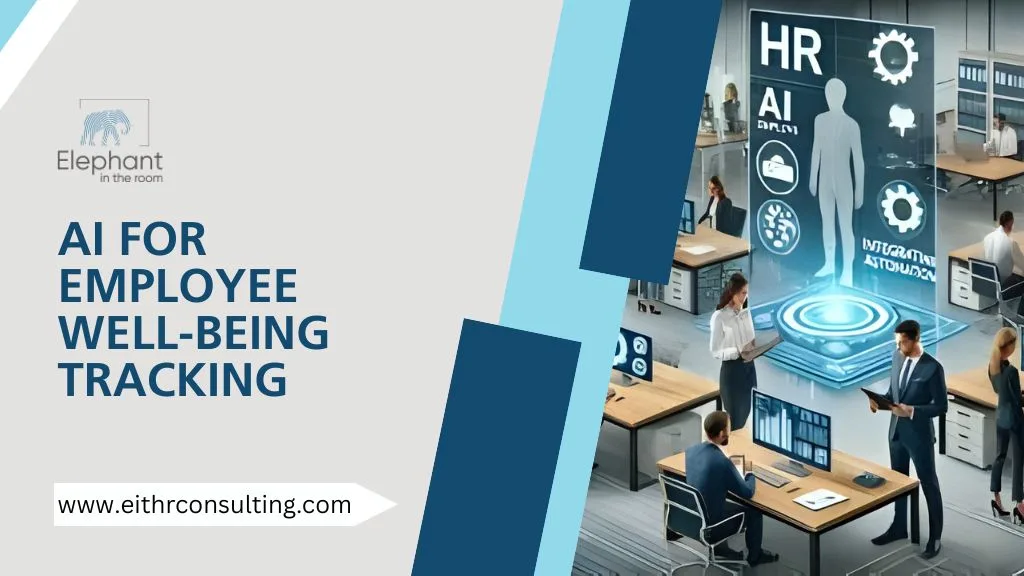
Organisations want workplaces where people feel steady and supported, especially during high-pressure periods. But how often do stress management programs actually change what employees experience day to day, beyond looking good on paper? AI begins to close this gap by spotting stress patterns early and cutting through guesswork. As expectations rise across Indian workplaces, employees increasingly look for clear signs that their emotional realities are being noticed and taken seriously. KEY TAKEAWAYS 7 Different Ways AI Can Help in Employee Wellbeing AI helps organisations identify early stress signals, understand real employee experiences, and respond before pressure escalates. This makes wellbeing efforts more timely, practical, and measurable. Here are some ways AI can help: 1. Helps Identify Early Stress Patterns Before They Disrupt Work Employees rarely express discomfort at the beginning of stress. They wait, try to adjust and hope it will settle. AI tools can notice small behavioural shifts such as slower response times, uneven workflow patterns or rising error rates. These insights help teams understand where strain is building and how corporate stress reduction programs can intervene early. Instead of reacting to burnout, organisations can prevent it. 2. Showcase Communication Trends That Influence Wellbeing Communication shapes workplace culture more than any policy. AI-powered sentiment analysis can highlight: This clarity allows organisations to adjust expectations and strengthen corporate stress reduction programs with targeted communication support. When teams understand how their tone shifts under pressure, they collaborate more steadily. 3. Tracks the Impact of Workload Fluctuations on Employee Wellbeing Heavy workloads do not always cause burnout. Unpredictable workloads do. AI can map how employees respond to fluctuating demands by identifying trends such as: These insights help companies refine corporate stress reduction programs by addressing workload rhythms rather than simply offering time-off or motivational sessions. 4. Measures Engagement Levels to Understand Emotional Capacity Engagement is often a mirror of wellbeing. AI-based tools analyse how consistently employees interact with digital tools, contribute to discussions or complete tasks on time. Sudden drops may signal emotional fatigue. This helps HR teams adjust training, support communication, or refine corporate stress reduction programs before disengagement turns into attrition. How Mental Health Support Moves Beyond Policies? When mental health support lives only in policies, it often feels distant to employees. It becomes meaningful when trained peers within teams can recognise stress early, listen with care, and guide conversations before pressure builds. This everyday presence turns support into something employees experience, not just read about. To explore how peer-led mental health training can support your employees more effectively, connect with us at +91 9004830116, Monday to Friday, 9 am to 6 pm IST. 5. Provides Data-Driven Insights on Stress-Reduction Activities That Work Not every activity improves wellbeing. Some help briefly, others build long-term steadiness. AI can highlight: This allows companies to fine-tune their corporate stress reduction programs with precision, ensuring that employees get the right kind of support. 6. Helps Managers Offer Timely, Thoughtful Support Managers often want to help, but they do not always know when support is needed. AI tools alert leaders when: This enables managers to intervene calmly and appropriately. Combined with corporate stress reduction programs, AI makes emotional support more consistent and visible across teams. » While AI helps organisations measure wellbeing outcomes more accurately, the real value lies in understanding how these initiatives drive business results as explored in How Corporate Wellbeing Programs Boost Employee Productivity and Retention. 7. Strengthens Long-Term Well-Being Strategy Through Predictive Trends One of the strongest capabilities of AI is prediction. AI can anticipate periods of high pressure based on past patterns, seasonal workloads or historical performance dips. One of the strongest capabilities of AI is prediction. AI can anticipate periods of high pressure by analysing past behaviour, seasonal workload spikes and patterns in team performance. This helps organisations: These early signals help organisations prepare support before stress escalates. Instead of reacting to burnout, workplaces can adjust timelines, redistribute work or introduce timely wellbeing activities. How AI and Human Support Work Together? AI reveals patterns. People provide care.When organisations combine AI insights with human-led wellbeing systems, teams receive: This balance helps corporate stress reduction programs become more effective and more empathetic. 👉 Our Take: AI brings insight, but well-being improves only when those insights lead to thoughtful action. We believe strong corporate stress reduction programs use AI to sharpen awareness, improve everyday communication, and guide timely support. At EITHR, our view is simple: data should help organisations respond with care and make wellbeing part of daily work, not a separate initiative. Conclusion AI is reshaping how organisations approach employee wellbeing by providing deeper visibility into stress patterns, communication shifts and emotional fatigue. When paired with thoughtful human support, AI helps build workplaces where teams feel understood, guided and protected. Organisations that integrate AI insights into their corporate stress reduction programs will see more consistent performance, healthier collaboration and steadier long-term culture. As workplaces evolve, the combination of technology and people-centred guidance becomes essential for building environments where employees feel genuinely supported. At Elephant in the Room Consulting, we help organisations translate these insights into practical steps that strengthen resilience, improve communication and make wellbeing a natural part of daily work. Frequently Asked Questions
What is a bad company culture? and what should leaders do if their culture is bad – or worse?
Every organisation has a culture, whether it is intentionally shaped or unconsciously formed. Company culture is not defined by inspirational posters, team lunches, or a list of values written in a handbook. It is defined by how people feel every day when they show up to work, how conversations unfold during challenges, how leaders communicate under pressure, and how decisions impact those on the receiving end. When culture is healthy, work feels collaborative, meaningful, and human. But when there is Bad Company Culture, even the most talented teams begin to experience emotional fatigue, hesitation, and disengagement. In a city like Mumbai, where the pace of work is high, talent is diverse, and expectations are demanding, the quality of workplace culture directly influences performance, retention, and long-term organisational growth. A company might appear outwardly successful in terms of stable revenue, large clients, and modern office space, yet internally, employees may feel undervalued, unheard, or emotionally isolated. This contrast between external success and internal emotional disconnect is often the earliest sign of a bad work culture. KEY TAKEAWAYS Understanding the Subtle Reality of Bad Company Culture A toxic or Bad Company Culture rarely begins with something dramatic. It emerges quietly in how feedback is delivered, in how conflicts are avoided or escalated, in who gets recognition, and in how safe people feel while expressing concerns. Employees may continue to meet deadlines, review documents, attend meetings, and deliver outputs, but emotionally, they begin to withdraw. They stop offering new ideas. They avoid taking initiative. They choose silence over honesty. Over time, the organisation does not just lose talent, it loses trust. This emotional withdrawal is often invisible in performance dashboards. Work continues, but the spirit of the work declines. Imagine a fast-growing digital marketing startup in Lower Parel. The team works on exciting brand campaigns, the client list is impressive, and the company’s social presence suggests a vibrant culture. However, internally, employees begin to feel emotionally drained. Deadlines are tight, priorities change frequently, and feedback is usually delivered in moments of urgency rather than through calm conversations. Leaders are passionate and driven, but they may come across as reactive due to stress. Team members stay late to meet client demands, yet acknowledgement of effort is rare. Slowly, employees stop sharing ideas, start withholding concerns, and treat work as a routine rather than something they feel connected to. This kind of situation illustrates a key reality of Bad Company Culture. It is not always about workload alone; it is about the emotional atmosphere surrounding the work, the tone of conversations, and the presence (or absence) of psychological safety. How Bad Work Culture Shows Up in Everyday Work? Even well-structured organisations can have emotionally fragmented teams. Some common cultural symptoms include: Each of these situations chips away at morale, quietly, consistently. How Does Bad Company Culture Develop? Most organisations do not intend to create a bad work culture. It typically emerges due to: When clarity, empathy, and emotional presence are missing, workplace behaviour becomes shaped by stress rather than intention. When Culture Becomes a Business Risk Even if output remains high in the short term, bad work culture affects: Gradually, what started as an emotional imbalance evolves into a performance and reputation risk. 👉 OUR TAKE: Bad culture isn’t built overnight — and neither is a healthy one. Leaders who pause, listen, and lead with emotional awareness rebuild trust faster than any policy or engagement activity ever could. Culture changes when leadership becomes present, grounded, and human. What Should Leaders Do When They Recognise Cultural Problems? The instinct may be to create new rules, restructure teams, or launch employee engagement activities, but culture does not improve through tasks. It improves through presence, awareness, and emotional clarity in leadership. The first step is listening – without reacting or defending. The second step is restoring clarity in the way of identifying how decisions are made, how feedback is shared, and what support is available. The third step is building emotionally aware leadership – enabling leaders to respond thoughtfully rather than react impulsively under pressure. This is where Awareness-Based Leadership and Employee Programs become transformative. These programs help leaders to understand emotional triggers and communication patterns, build presence and grounded decision-making, create psychological safety for teams as well as strengthen relationships and reduce unspoken conflict. Culture improves when leadership learns to see, not just manage. For instance, consider a mid-sized financial consulting firm in BKC. The company has strong clients and steady growth, but the team is experiencing signs of strain – rising friction during discussions, reduced enthusiasm in meetings, and subtle withdrawal from mid-level managers. Employees continue to deliver results, but emotionally, they feel distant and unseen. Instead of introducing large structural changes, the leadership could start something simple yet meaningful, short weekly check-in circles. These 10–15 minute conversations allow team members to share how they are arriving into the workday, both mentally and emotionally, before moving into tasks and performance discussions. While this is just one possible approach, such practices often lead to reduced miscommunication, fewer interpersonal conflicts, and more openness and trust within teams. No new tools, no major policy shifts, just intentional presence and acknowledgement from leaders. Conclusion Culture is not a statement; it is a daily experience. It is present in every conversation, every decision, and every silence. If your organisation is sensing the signs of Bad Company Culture, it is not a failure. It is an invitation, an opportunity to rebuild trust, deepen communication, and create environments where people feel seen, heard, and valued. If you are ready to strengthen leadership presence and cultivate psychologically safe teams, explore our Leadership & Employee Awareness Program to begin the transformation. Frequently Asked Questions
Proactive mental health strategies for workplace success
Workplaces in 2025 demand a level of focus, adaptability and emotional steadiness that can be difficult to sustain without support. Teams shift between hybrid schedules, tight deadlines and rapid communication cycles, often without pausing long enough to process the pressure. This raises an important question. How can employees continue performing at a high level if they rarely get a chance to reset? And how can organisations expect workplace success through mental health if stress becomes part of the daily routine? This is where Proactive mental health strategies at work become essential. Instead of waiting for burnout, conflict or silence to appear, organisations are beginning to strengthen the emotional foundation of their teams through preventive behaviours, skill-building and healthier communication patterns. Employees need more than encouragement. They need steady, predictable support systems that help them navigate pressure before it becomes overwhelming. Organisations that invest early in well-designed mental wellbeing practices see better concentration, fewer emotional disruptions and stronger collaboration. These outcomes directly support workplace success through mental health and shape a culture where performance and wellbeing can coexist. Why “Waiting Until There’s a Problem” No Longer Works Many workplaces still rely on reacting to stress after it disrupts performance. Managers step in when conflict grows, HR intervenes when morale drops and teams reflect only when burnout becomes obvious. But what happens in the weeks before these problems appear? What small signals get missed? How many employees cope silently simply because they do not want to sound unprepared? These questions show why Proactive mental health strategies at work are essential. Employees often experience: Preventive mental wellbeing initiatives help teams step in earlier. These initiatives support employees long before the pressure becomes visible. They establish healthier habits that carry teams through demanding periods with steadiness. KEY TAKEAWAYS 2. Early Signals That a Team Needs Support (But Rarely Speaks About) Stress does not always appear through large reactions. Often, it shows up in quiet patterns that go unnoticed. These patterns are not signs of incompetence. They are early indicators that employees need support. Proactive mental health strategies at work address these signals before they impact performance. What Proactive Strategies Actually Look Like in Daily Workflows? Many organisations mistake proactive mental health for occasional workshops or awareness days. True proactive practice happens through consistent, everyday behaviours that shape how employees think and respond. Here are examples of strategies that truly make a difference. Identifying stress before it affects clarity Employees learn how to notice the first few moments when they begin to feel overwhelmed. This early awareness prevents emotional escalation. Using grounding habits during busy hours Simple routines like pause points, reflection cues or structured breaks give employees a mental reset without losing productivity. Encouraging thoughtful communication Teams learn how to ask for clarification gently, express workload concerns early and listen with more patience. Building predictability into shifting schedules Even when priorities change, teams benefit from clear instructions and consistent messaging. Strengthening emotional intelligence across teams Employees understand how tone, reactions and non-verbal cues influence the quality of interaction. These methods form the core of Proactive mental health strategies at work, supporting healthy work patterns before stress solidifies. The Hidden Link Between Proactive Mental Health and Peak Performance Teams perform best when they feel steady. But what creates that steadiness? Clarity improves problem-solving When stress is managed proactively, employees think more clearly and make fewer reactive decisions. Stronger emotional control protects focus People concentrate better when they feel safe expressing concerns. Communication becomes smoother Conversations flow more easily when employees are not carrying silent emotional load. Recovery is quicker Teams bounce back faster from setbacks when they use consistent preventive mental wellbeing initiatives. These outcomes directly contribute to workplace success through mental health and improve performance across departments. How Mumbai’s Fast Work Rhythm Makes Proactive Care Essential In Mumbai, it is common for employees to juggle long commutes, shifting hours and communication across time zones. This rhythm increases emotional load even on normal days. Here are questions employees often ask themselves quietly: Proactive mental health strategies at work help teams navigate these concerns with more confidence. They encourage open conversations, reduce emotional pressure and support productive habits that match the city’s demanding pace. How Leaders Strengthen Proactive Mental Health (Often Without Realising It) Leaders influence the emotional climate of a team through the smallest behaviours. Tone sets the rhythm A calm tone reduces pressure. A rushed tone increases emotional strain. Availability shapes confidence Teams feel steadier when leaders respond with consistency. Clarity eliminates silent stress Clear expectations prevent employees from guessing what is required. Healthy boundaries create trust When leaders model balance, employees feel permission to do the same. Empathy improves communication Understanding emotional cues helps managers guide teams more effectively. Leadership actions lie at the heart of Proactive mental health strategies at work. What Preventive Mental WellBeing Initiatives Bring to Workplace Culture? Preventive action creates a foundation that teams can rely on during pressure.Strong initiatives include: Normalising early conversation Employees feel comfortable sharing concerns before they grow complicated. Predictable leadership habits Teams know how their managers respond during stress, reducing uncertainty. Higher psychological safety Employees become more honest about challenges, improving collaboration. Reduced emotional friction Teams handle disagreements with more clarity and less frustration. Better energy management Healthy routines protect employees from long-term exhaustion. These outcomes illustrate why proactive mental health strategies support workplace success through mental health in the long run. 👉 Our Take: At EITHR, we believe proactive care is the most reliable path to healthier workplaces. Proactive mental health strategies at work help employees understand their emotional patterns, build steadier routines and communicate with more clarity. When teams strengthen these habits, they respond to pressure with confidence rather than tension. Over time, this shift creates a culture where workplace success becomes more predictable and sustainable. Five Everyday Practices That Strengthen Proactive Mental Health These simple habits help employees manage stress before it becomes overwhelming and support preventive mental wellbeing initiatives. 1. Small resets at transition points Before starting a new task,
The importance of corporate mental health workshops: a game changer for workplace wellbeing
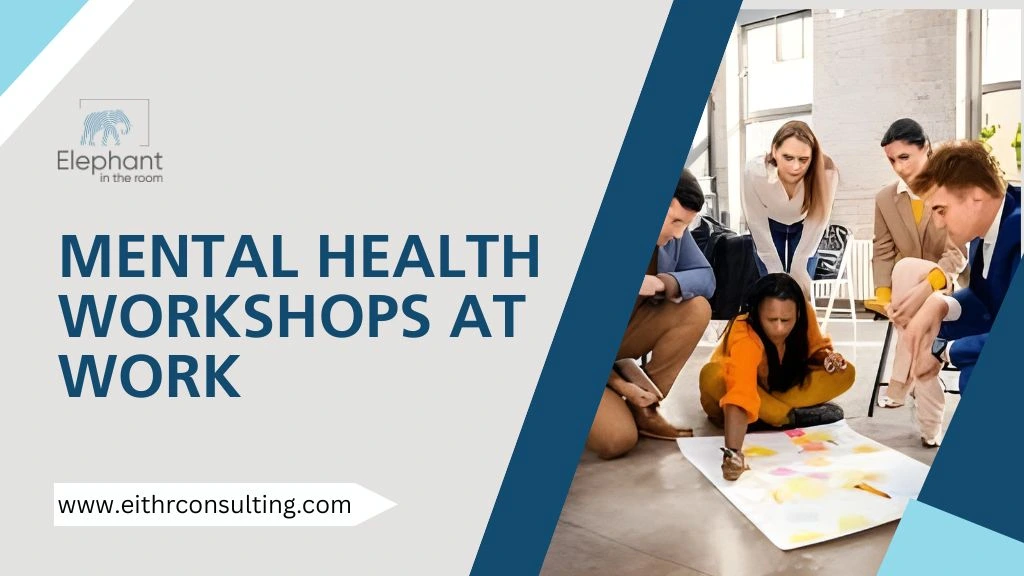
Workshops offer employees a space to understand their emotional responses before stress begins to surface in their behaviour. Many challenges appear quietly in day-to-day interactions: missed cues, rushed conversations, hesitation to ask for help or silent fatigue. Workshops give employees practical ways to manage these moments through mental health best practices in the workplace. In Mumbai workplaces, where commutes are long and timelines shift quickly, workshops help teams slow down mentally. They learn how to recognise early signs of strain, communicate with clarity and maintain steadier routines. When employees feel supported, they show more openness, patience and collaboration. Effective Workplace Mental Health Training becomes a turning point for team culture. It improves how people speak to one another and reduces the emotional friction that often builds during heavy workloads, especially when paired with mental health best practices in the workplace. KEY TAKEAWAYS How Workshops Improve the Way Teams Think, Work and Communicate? 1. Building emotional awareness Workshops help employees identify stress triggers and understand how pressure affects their thinking and communication. This awareness helps teams step in earlier and respond more thoughtfully using mental health best practices in the workplace. 2. Improving communication habits Participants learn how to express concerns clearly and listen with more patience. These skills reduce misunderstandings and prevent small issues from escalating. 3. Encouraging healthier boundaries Workshops teach employees how to manage their workload more sustainably. They learn how to pace tasks, take short breaks and protect their energy during heavier weeks—an important part of mental health best practices in the workplace. 4. Strengthening resilience Employees learn how to recover from setbacks without losing momentum. Resilience becomes a shared skill rather than an individual challenge. 5. Reducing silent stress Workshops normalise conversations about wellbeing. This reduces the pressure to appear unaffected and supports a more open workplace culture. 👉 Our Take: Well-designed Corporate WellBeing Programs help employees understand stress, communicate with clarity and build healthier ways of working. These habits create a workplace where people feel supported, confident and engaged. When mental health workshops become a regular part of organisational life, teams grow stronger and more connected. What Strong Corporate WellBeing Programs Have in Common? 1. Practical, easy-to-apply learning Effective Corporate WellBeing Programs focus on simple habits that fit naturally into everyday work. When employees can apply what they learn immediately, the change feels steady and realistic rather than theoretical. These small practices reinforce the impact of Workplace Mental Health Training and support mental health best practices in the workplace. 2. Inclusive sessions that reflect real challenges Strong programs address concerns that employees actually face in their workday, such as communication gaps, uneven workloads and hybrid work pressures. When sessions speak to real experiences, employees participate with greater honesty and openness. 3. Support for both employees and managers Healthy workplaces grow when both groups are supported. Corporate WellBeing Programs help employees manage stress while offering managers the tools to lead with clarity and sensitivity. This shared approach creates a consistent emotional climate across teams. 4. Steady reinforcement rather than a one-time activity One workshop alone cannot shift long-term habits. Organisations that repeat learning and offer follow-up sessions see more lasting improvements. Continuous reinforcement keeps the principles of Workplace Mental Health Training active in daily routines instead of fading over time. 5. A focus on building trust Trust strengthens when people feel safe speaking about their pressures and experiences. Programs that encourage open dialogue reduce silent stress and help teams support one another more comfortably. As trust deepens, both employees and managers work with more clarity, calmness and steadiness. » To explore how organisations strengthen emotional wellbeing, read our guide on Corporate Mental Health. Why Workshops Create Long-Term Cultural Change? Corporate mental health workshops move organisations away from a culture of silence and towards one where wellbeing is recognised as part of productivity. These workshops reshape how people engage with work, how they express challenges and how teams support one another. They bring emotional steadiness into daily routines, making workplaces more predictable and supportive by reinforcing mental health best practices in the workplace. Workshops also guide organisations in understanding how communication patterns, expectations and leadership styles influence mental health. This reflection helps companies build a workplace that feels fair, calm and human. Resilience and Collaboration Sessions for Employees These sessions help employees build emotional steadiness, strengthen communication and collaborate with greater clarity. They include themes such as stress management, emotional intelligence, positive psychology, conflict resolution, managing young teams and workplace relationships, along with modules on burnout recovery, digital detox and team off-sites. Reach us at to book a free consultation. (9am to 6pm IST, Mon–Fri) How EITHR Helps Companies Strengthen Workplace WellBeing? At Elephant in the Room Consulting, we work with organisations to recognise how mental health influences daily conversations, expectations and relationships across teams. Our approach helps leaders notice early signs of strain and build environments where employees feel supported and understood. We offer practical tools that become part of everyday routines, ensuring that mental health best practices in the workplace become a natural part of how work is done. Frequently Asked Questions
