
Mental Health at Work That No One Talks About
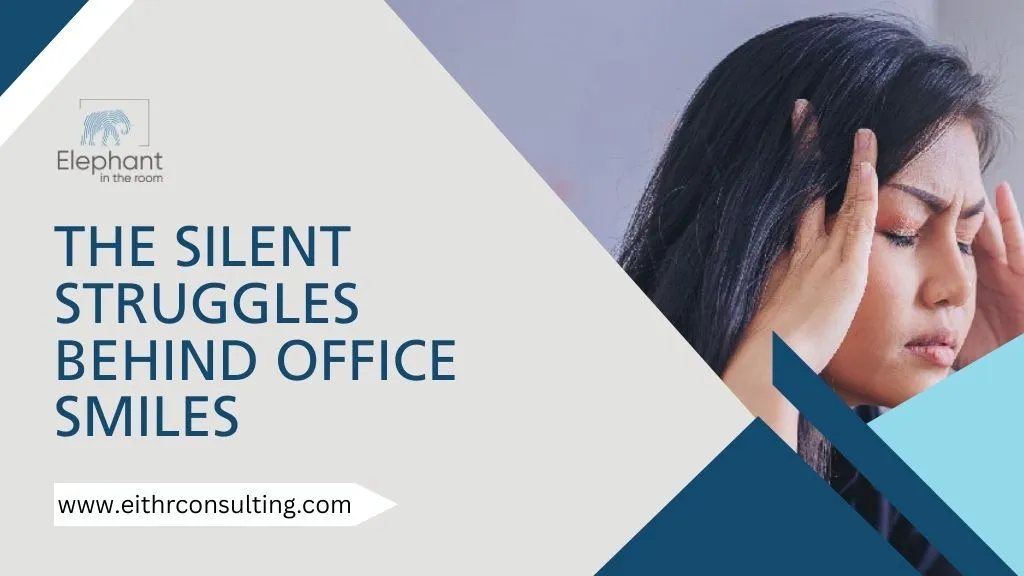
Most employees continue showing up and getting work done, even when something feels off internally. Stress, emotional fatigue, and quiet anxiety often stay invisible because they do not disrupt output. This reflects the mental load people carry while still meeting expectations. According to Gallup’s State of the Global Workplace 2025 report, 41% of employees worldwide experience high daily stress, despite appearing functional at work. KEY TAKEAWAYS The Everyday Emotional Load Employees Carry Mental health at work is often reduced to extreme outcomes like burnout or absenteeism. In reality, most challenges exist in the middle ground, where people function but feel drained. This emotional load builds quietly through constant adjustment, self-control, and pressure management. Over time, this effort shapes how employees relate to their work and their colleagues. When it goes unrecognised, it becomes part of the background stress people assume they must tolerate. The Struggles We Rarely Name at Work Some of the most common mental health challenges are also the least visible. They are rarely dramatic, but are deeply felt. They are as follows: Emotional Fatigue That Accumulates Over Time Many employees feel persistently tired without a clear reason. This fatigue comes from sustained pressure and limited recovery, not from one intense event. Because it builds gradually, people often ignore it until it affects focus and motivation. Anxiety That Disguises Itself as Dedication Employees who over-prepare, double-check constantly, or avoid mistakes may appear highly committed. In reality, these behaviours are often driven by fear and anxiety. When anxiety is mistaken for high performance, it rarely receives the support it needs. Holding Back Questions and Concerns In workplaces where speaking up feels risky, employees choose silence. They carry questions internally rather than asking for clarity or help. This increases mental strain and makes collaboration more guarded over time. Feeling Uncomfortable to Slow Down or Log Off From Work Many employees feel uneasy when they stop working, even briefly. This guilt is reinforced by cultures that reward constant availability. Over time, the lack of genuine rest leads to chronic stress and emotional exhaustion. Why Mental Health Awareness Campaigns Have Limited Impact? Mental health awareness has helped reduce stigma, but awareness alone does not change daily experience. Posters, talks, and campaigns create visibility, yet they often stop short of action. When work pressure, unclear expectations, and urgency remain unchanged, employees feel the disconnect. This mismatch can reduce trust in wellbeing initiatives. People begin to feel that mental health is talked about, but not truly supported. Real change requires adjustments in how work is structured and led. What Meaningful Support Looks Like in Practice? Supporting mental health at work does not require complex programs. It requires consistent attention to how work feels day to day. Naming Strain Before It Escalates When leaders acknowledge stress early, employees feel less alone. Naming emotional strain reduces shame and opens space for honest conversation. This prevents small issues from becoming overwhelming. It also signals that well-being is noticed before performance is affected. Making Expectations Clear and Stable Unclear priorities create more anxiety than heavy workloads. When employees understand what matters and how success is measured, mental load reduces. Clarity allows people to focus without constant self-doubt. Stable expectations also reduce overthinking and unnecessary checking. Reducing False Urgency Treating everything as urgent keeps teams in a constant state of alert. Leaders who slow unnecessary urgency help employees think more clearly. This improves both emotional well-being and decision quality. It also reduces the feeling that rest or reflection is risky. 👉 Our Take: Mental health at work is shaped by everyday systems, not personal resilience alone. When organisations focus only on awareness and ignore daily emotional strain, support remains incomplete. Lasting change comes from clarity, psychological safety, and consistent follow-through. Creating Predictable Ways of Working Regular rhythms, planned updates, and consistent check-ins provide stability. Predictability helps employees feel grounded rather than reactive. Over time, this reduces underlying anxiety. It also makes pressure periods easier to navigate. Encouraging Safer Conversations Employees cope better when they can ask questions without fear. Psychological safety allows uncertainty to be shared instead of hidden. This strengthens trust and collaboration across teams. When people speak earlier, problems are easier to solve. Supporting Managers as People Managers often absorb pressure without support. When they are trained and supported emotionally, their teams benefit as well. Healthy managers create healthier environments. Support at this level reduces stress cascading downwards. Staying Consistent Over Time One-off initiatives rarely change behaviour. Support needs to be visible and repeated. Consistency builds credibility and long-term impact. When support shows up regularly, employees stop waiting for it to disappear and begin engaging with it more openly. Not sure where to focus first? A conversation with an Elephant-in-the-Room expert can help identify what will make the most difference right now. Also Read – Why Work Feels So Difficult Lately, and It’s Not Really About the Job Conclusion Mental health at work often goes unspoken because people continue delivering despite internal pressure. Yet this quiet load affects focus, relationships, and long-term engagement. When organisations move beyond surface-level mental health awareness and invest in practical programs, workplace mental health improves in ways that employees can genuinely feel. For teams unsure how to begin, working with experienced mental health professionals helps turn insight into action that fits real work conditions. Frequently Asked Questions
