7 ways AI can help you track employee wellbeing and stress-reduction outcomes
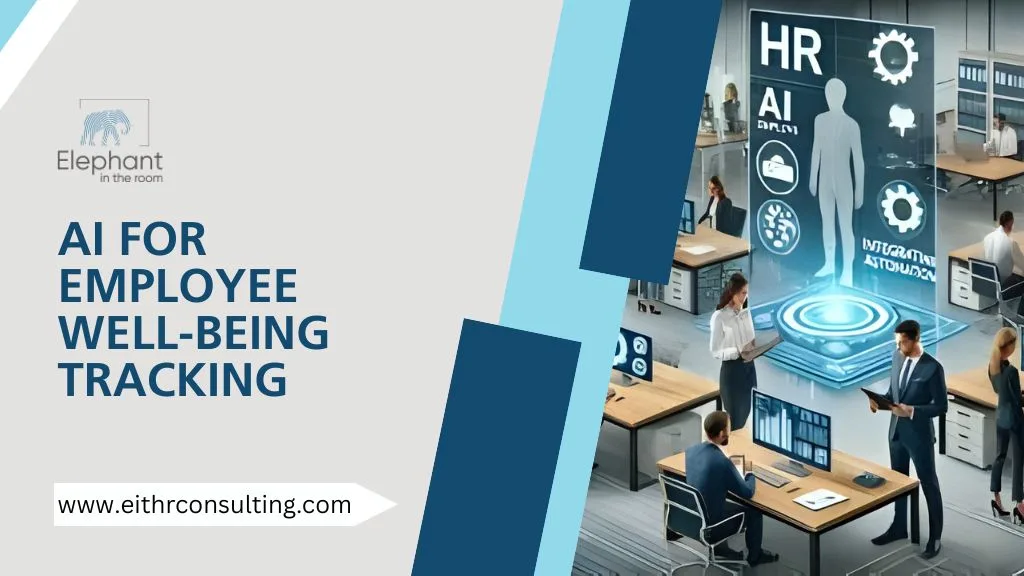
Organisations want workplaces where people feel steady and supported, especially during high-pressure periods. But how often do stress management programs actually change what employees experience day to day, beyond looking good on paper? AI begins to close this gap by spotting stress patterns early and cutting through guesswork. As expectations rise across Indian workplaces, employees increasingly look for clear signs that their emotional realities are being noticed and taken seriously. KEY TAKEAWAYS 7 Different Ways AI Can Help in Employee Wellbeing AI helps organisations identify early stress signals, understand real employee experiences, and respond before pressure escalates. This makes wellbeing efforts more timely, practical, and measurable. Here are some ways AI can help: 1. Helps Identify Early Stress Patterns Before They Disrupt Work Employees rarely express discomfort at the beginning of stress. They wait, try to adjust and hope it will settle. AI tools can notice small behavioural shifts such as slower response times, uneven workflow patterns or rising error rates. These insights help teams understand where strain is building and how corporate stress reduction programs can intervene early. Instead of reacting to burnout, organisations can prevent it. 2. Showcase Communication Trends That Influence Wellbeing Communication shapes workplace culture more than any policy. AI-powered sentiment analysis can highlight: This clarity allows organisations to adjust expectations and strengthen corporate stress reduction programs with targeted communication support. When teams understand how their tone shifts under pressure, they collaborate more steadily. 3. Tracks the Impact of Workload Fluctuations on Employee Wellbeing Heavy workloads do not always cause burnout. Unpredictable workloads do. AI can map how employees respond to fluctuating demands by identifying trends such as: These insights help companies refine corporate stress reduction programs by addressing workload rhythms rather than simply offering time-off or motivational sessions. 4. Measures Engagement Levels to Understand Emotional Capacity Engagement is often a mirror of wellbeing. AI-based tools analyse how consistently employees interact with digital tools, contribute to discussions or complete tasks on time. Sudden drops may signal emotional fatigue. This helps HR teams adjust training, support communication, or refine corporate stress reduction programs before disengagement turns into attrition. How Mental Health Support Moves Beyond Policies? When mental health support lives only in policies, it often feels distant to employees. It becomes meaningful when trained peers within teams can recognise stress early, listen with care, and guide conversations before pressure builds. This everyday presence turns support into something employees experience, not just read about. To explore how peer-led mental health training can support your employees more effectively, connect with us at +91 9004830116, Monday to Friday, 9 am to 6 pm IST. 5. Provides Data-Driven Insights on Stress-Reduction Activities That Work Not every activity improves wellbeing. Some help briefly, others build long-term steadiness. AI can highlight: This allows companies to fine-tune their corporate stress reduction programs with precision, ensuring that employees get the right kind of support. 6. Helps Managers Offer Timely, Thoughtful Support Managers often want to help, but they do not always know when support is needed. AI tools alert leaders when: This enables managers to intervene calmly and appropriately. Combined with corporate stress reduction programs, AI makes emotional support more consistent and visible across teams. » While AI helps organisations measure wellbeing outcomes more accurately, the real value lies in understanding how these initiatives drive business results as explored in How Corporate Wellbeing Programs Boost Employee Productivity and Retention. 7. Strengthens Long-Term Well-Being Strategy Through Predictive Trends One of the strongest capabilities of AI is prediction. AI can anticipate periods of high pressure based on past patterns, seasonal workloads or historical performance dips. One of the strongest capabilities of AI is prediction. AI can anticipate periods of high pressure by analysing past behaviour, seasonal workload spikes and patterns in team performance. This helps organisations: These early signals help organisations prepare support before stress escalates. Instead of reacting to burnout, workplaces can adjust timelines, redistribute work or introduce timely wellbeing activities. How AI and Human Support Work Together? AI reveals patterns. People provide care.When organisations combine AI insights with human-led wellbeing systems, teams receive: This balance helps corporate stress reduction programs become more effective and more empathetic. 👉 Our Take: AI brings insight, but well-being improves only when those insights lead to thoughtful action. We believe strong corporate stress reduction programs use AI to sharpen awareness, improve everyday communication, and guide timely support. At EITHR, our view is simple: data should help organisations respond with care and make wellbeing part of daily work, not a separate initiative. Conclusion AI is reshaping how organisations approach employee wellbeing by providing deeper visibility into stress patterns, communication shifts and emotional fatigue. When paired with thoughtful human support, AI helps build workplaces where teams feel understood, guided and protected. Organisations that integrate AI insights into their corporate stress reduction programs will see more consistent performance, healthier collaboration and steadier long-term culture. As workplaces evolve, the combination of technology and people-centred guidance becomes essential for building environments where employees feel genuinely supported. At Elephant in the Room Consulting, we help organisations translate these insights into practical steps that strengthen resilience, improve communication and make wellbeing a natural part of daily work. Frequently Asked Questions
